

.webp)


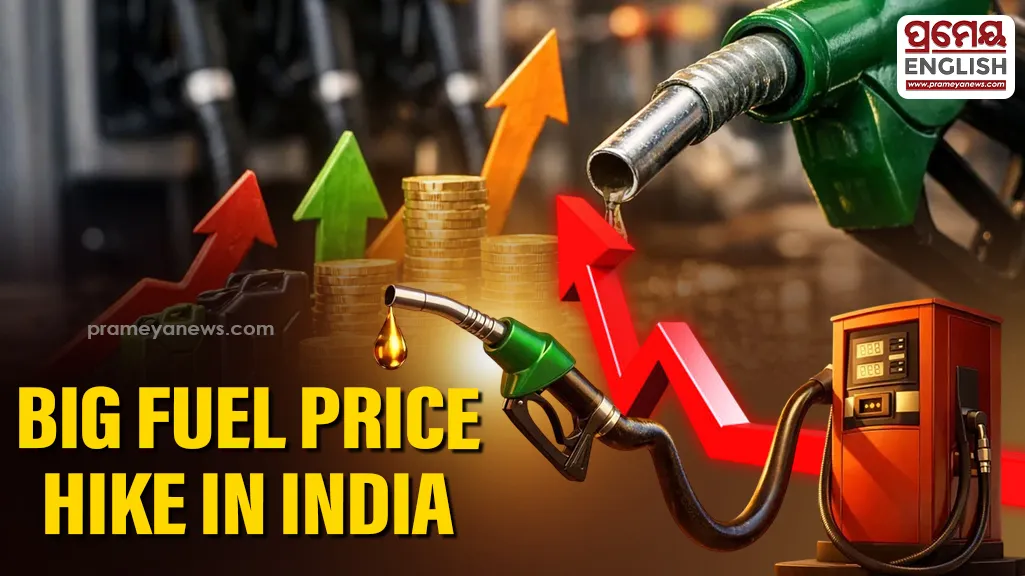
Fuel costs set for major upward correction after polls.
Domestic fuel consumers should prepare for a significant financial shock as retail petrol and diesel prices are projected to climb by ₹25 to ₹28 per litre following the conclusion of current state elections. A recent analysis from Kotak Institutional Equities indicates that the prolonged freeze on pump rates has become mathematically impossible to maintain. While international crude oil prices have surged due to conflict in West Asia and shipping blockades, Indian fuel stations have kept prices static to avoid voter backlash during the high-stakes 2026 polling season.
Financial Strain on Refiners
State-run oil marketing companies currently shoulder a staggering monthly burden of approximately ₹27,000 crore to keep retail rates artificiality low. These entities are losing nearly ₹18 on every litre of petrol and up to ₹35 on diesel. The gap between global procurement costs and domestic selling prices has widened to levels that threaten the fiscal health of the energy sector.
Impact of Global Volatility
Rising tensions in the Strait of Hormuz, a critical maritime artery for global energy, have pushed crude benchmarks toward $120 per barrel. Despite these external pressures, the Indian government has utilized various interventions, such as discounted domestic procurement, to shield the public temporarily. However, experts suggest that once the final votes are cast, a gradual but substantial price revision is inevitable to prevent a total collapse of refinery margins.
Economists predict that these adjustments will likely be phased in to manage inflationary pressure. Nevertheless, the scale of the required correction remains unprecedented. If the full burden is passed to the consumer, transport and logistics costs across the nation will see a sharp rise, impacting the price of essential commodities from vegetables to industrial goods.
.webp)