



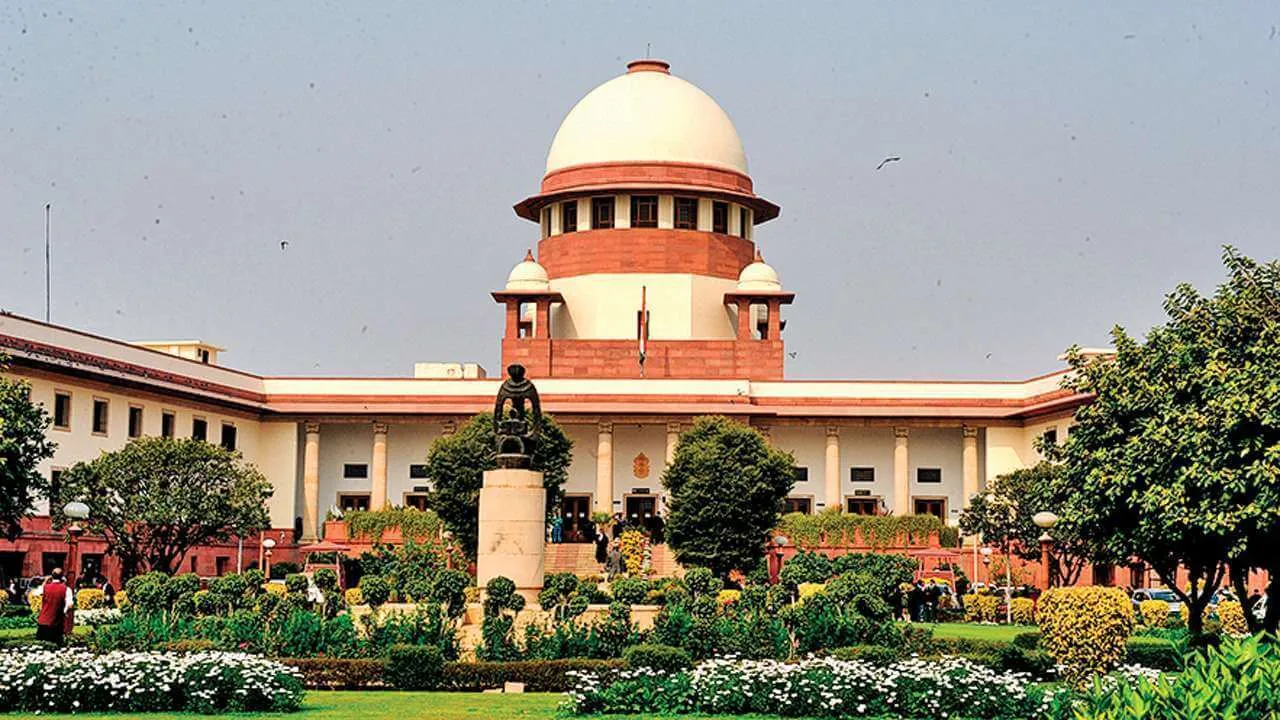
India seeks overhaul of abortion timelines for rape survivors
Supreme Court of India on Thursday directed the Central government to reconsider current gestational limits under the abortion law, specifically for cases involving sexual assault. A bench comprising Chief Justice Surya Kant and Justice Joymalya Bagchi emphasised that the law must remain organic and evolve alongside societal needs. The court noted that forcing a survivor to carry an unwanted pregnancy to term can result in lifelong trauma and deep humiliation.
Judicial Push for Policy Change
Current provisions under the Medical Termination of Pregnancy (MTP) Act generally cap abortions at 24 weeks for vulnerable categories.
Balancing Health and Rights
Legal experts in Odisha and across the nation have frequently pointed out that delayed discovery of pregnancy in minors often leads to complex legal battles. Historically, Indian courts have swung between protecting the "viable life" of a fetus and the autonomy of the mother.
Government representatives expressed concerns regarding late-term procedures and potential health risks to the mother. Despite these arguments, the apex court maintained that the final decision should rest with the survivor and her guardians. By seeking a formal review of the statute, the judiciary aims to eliminate the recurring need for victims to approach constitutional courts for emergency relief during advanced stages of pregnancy.