
.webp)


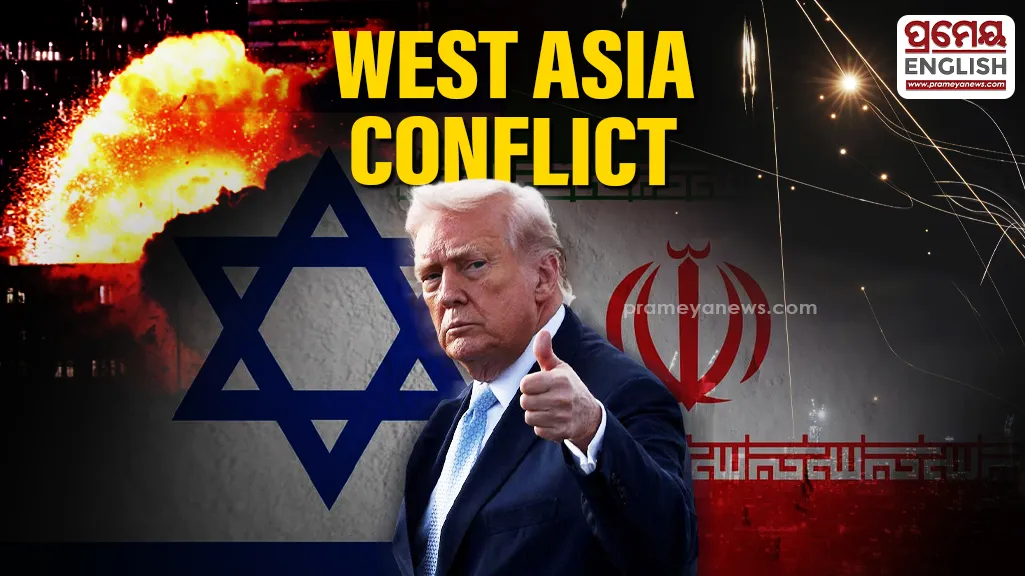
Tehran sets tough conditions for renewing negotiations with Washington
Washington and Tehran are currently engaged in a complex diplomatic dance following recent proposals from Donald Trump. According to international reports, Iranian officials have outlined extensive requirements before they will consider resuming formal discussions. This tough public stance is directly impacting global energy markets.
Sweeping Demands from Tehran
Iranian leadership is pushing for significant changes in the Middle East. Representatives are insisting that Washington shut down all its military installations across the Gulf region. Furthermore, they want financial reparations for previous damages and a complete halt to Israeli operations against Hezbollah.
Another major sticking point involves global oil transit. Officials in Iran wish to establish a system to collect transit fees from vessels navigating the Strait of Hormuz. Securing this critical waterway would essentially hand control over to Iranian authorities. State media confirms that these hardline terms are largely driven by the Islamic Revolutionary Guard Corps.
Signs of Secret Concessions
Despite taking a harsh stance publicly, back-channel conversations suggest a different story. Sources indicate that Iran might be willing to pause its ballistic missile development for half a decade. Negotiators are also reportedly discussing a reduction in uranium enrichment activities and granting the International Atomic Energy Agency access to inspect remaining centrifuges. In what would be a massive shift, Tehran could even cut financial ties with regional proxy groups like Hamas and Iraqi militias to secure a broader agreement during these US Iran talks.
Military officials in Iran continue to publicly ridicule American diplomatic efforts. Spokesperson Ebrahim Zolfaqari recently mocked the United States, claiming Washington was essentially negotiating with itself. He emphasised that Western financial interests and a stable global oil prices impact will remain threatened until America acknowledges Iran's role in maintaining regional stability. Both nations are clearly testing boundaries, making the road to any lasting ceasefire highly unpredictable.
.webp)