


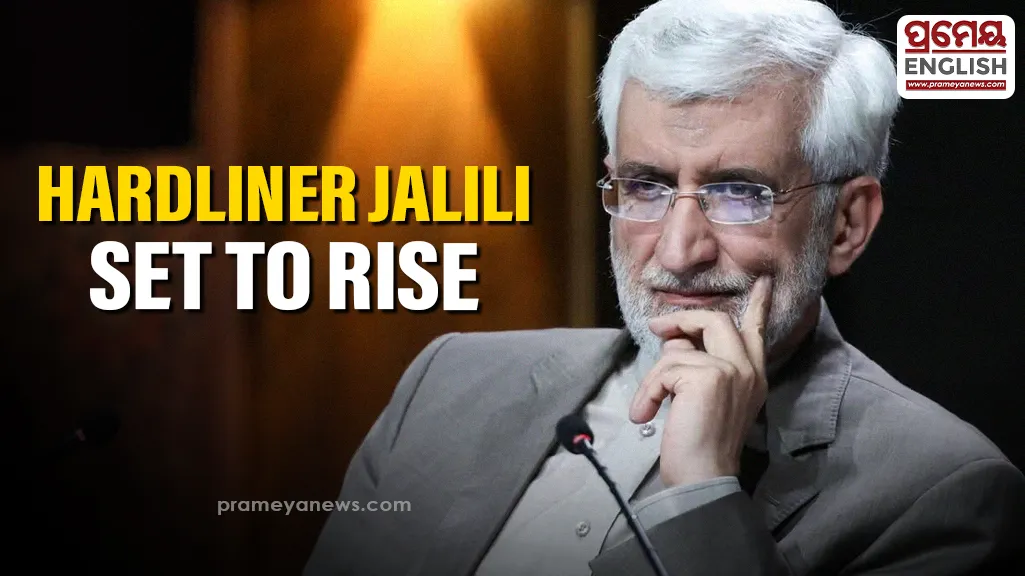
Iran weighs extreme conservative for crucial national security role
Iran confronts a critical power vacuum in its security establishment following the reported death of senior official Ali Larijani during a recent Israeli airstrike. Speculation is mounting that Saeed Jalili, a fiercely conservative political figure, will step into this crucial role. Finding an Ali Larijani successor represents a major Iran leadership transition, especially since the late official guided the nation’s military strategies through intense standoffs with Washington and Israel.
Attention firmly centers on the 60-year-old veteran diplomat known for his rigid international stances. Previously serving as the chief nuclear negotiator from 2007 to 2013 under Mahmoud Ahmadinejad, this hardliner consistently opposed Western diplomacy. He famously criticized the 2015 nuclear pact for giving away too much leverage.
Responding to the recent regional attacks, the prominent conservative issued stern warnings to Israel. He stated that such aggressive moves would only hasten the enemy's ultimate downfall rather than providing any strategic advantage. Furthermore, he mourned both Larijani and Gholamreza Soleimani, a senior Basij commander who also perished in the recent Israeli airstrike impact.
Background of a Loyal Hardliner
Hailing from Mashhad where he was born in 1965, the politician earned a doctorate in political science from Imam Sadeq University. Combat experience during the Iran-Iraq War deeply shaped his worldview. Suffering severe injuries that cost him part of his leg, he gained immense respect domestically as a "living martyr."
His career trajectory includes significant time at the Foreign Ministry starting in 1989 and close collaboration with Supreme Leader Ali Khamenei. Despite his extensive bureaucratic influence, including representing Khamenei in Western nuclear talks, electoral success has eluded him. He suffered defeat in multiple presidential campaigns, most recently losing to current President Masoud Pezeshkian.
President Pezeshkian now holds the constitutional authority to formally name the next secretary of the Supreme National Security Council. Geopolitical experts suggest selecting this particular candidate could dramatically alter the region's stability. While Larijani displayed moments of strategic pragmatism, elevating an ideologically extreme successor might completely derail future diplomatic efforts. Such a move threatens to severely amplify the ongoing Middle East conflict.