


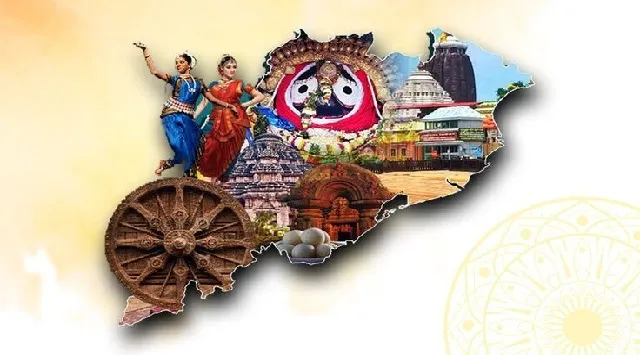
Bhubaneswar, Mar 31: As the state prepares to celebrate Utkal Divas on April 1, people across Odisha are reflecting on the historic struggle that led to the formation of a separate province in 1936. While the day is widely observed with cultural programmes and patriotic fervour, historians say the contributions of several leaders who dedicated their lives to the cause of a unified Odia-speaking state often remain less discussed among the younger generation.
The creation of Odisha as a separate province on April 1, 1936, marked the culmination of decades of effort by visionaries who fought to protect the language, culture and identity of the Odia people. Among the pioneers of the movement was Madhusudan Das, fondly remembered as the “Utkal Gourab”.
He played a crucial role in advocating for the unification of Odia-speaking regions that were then scattered under different administrative provinces during British rule.
Historians note that Madhusudan Das tirelessly raised the issue of Odia identity in legislative forums and social platforms. His efforts laid the foundation for the demand for a separate state, inspiring many others to join the movement.
Another key figure in this struggle was Gopabandhu Das, a social reformer and nationalist leader who worked relentlessly for the upliftment of the people. Through his writings, speeches and public work, he encouraged unity among Odias and highlighted the need for administrative independence to ensure development and cultural preservation.
“Gopabandhu Das not only fought for political recognition but also emphasised education and social reform. His vision was to build a strong and progressive Odisha,” said a history lecturer at a government college in Bhubaneswar.
The movement also received strong support from Krushna Chandra Gajapati, the Maharaja of Paralakhemundi, who played a pivotal role in persuading the British administration to create a separate province. Scholars believe his diplomatic efforts and leadership helped bring the long-standing demand closer to reality.
“Krushna Chandra Gajapati’s contribution is extremely significant. Without his political influence and commitment, the formation of Odisha might have taken much longer,” noted a researcher from Cuttack.
Senior citizens say that remembering these unsung heroes is essential, especially for the younger generation.
“Many people celebrate Utkal Divas, but not everyone knows the sacrifices made by these leaders. Their struggle ensured that our language and culture survived,” said a retired school teacher in Puri.
With Odisha approaching nine decades since its formation, cultural organisations and educational institutions are increasingly making efforts to highlight these historical contributions through seminars, exhibitions and awareness programmes.
As celebrations unfold across the state, historians believe Utkal Divas is not just a day of festivity but also an opportunity to honour the legacy of those who shaped Odisha’s identity.
“Utkal Divas reminds us of the courage and vision of our leaders. It is a moment to acknowledge their efforts and renew our commitment towards the development of Odisha,” the lecturer added.