

Twin weather systems promise intense rainfall across Indian states
Meteorologists predict a powerful resurgence of southwest seasonal showers across India this week. Two distinct low-pressure zones are currently forming over the Bay of Bengal, preparing to push heavy moisture inland. This rapid weather shift arrives after weeks of sluggish progress that left many northern regions struggling with severe heat and high humidity. States like Haryana, Rajasthan, and Delhi-NCR have only experienced isolated storms until now. Forecasting models indicate that changing wind patterns will firmly break this harsh dry spell shortly.
Coastal regions like Odisha, heavily dependent on these crucial July showers for their traditional kharif crops, are closely monitoring these Bay of Bengal systems to recover from early-season agricultural delays.
Changing Wind Patterns Bring Relief
Weather experts highlight the seasonal trough as the primary driver for this upcoming transformation. Previously, this vital low-pressure belt stayed abnormally far north near the Himalayan foothills, keeping rain away from the plains. Forecast models show this trough finally migrating southward over the next few days. As it settles into its normal position between July 1 and July 5, widespread showers will lower temperatures across the northern states significantly. Farmers can expect much better soil moisture levels soon.
Coastal Regions Brace for Impact
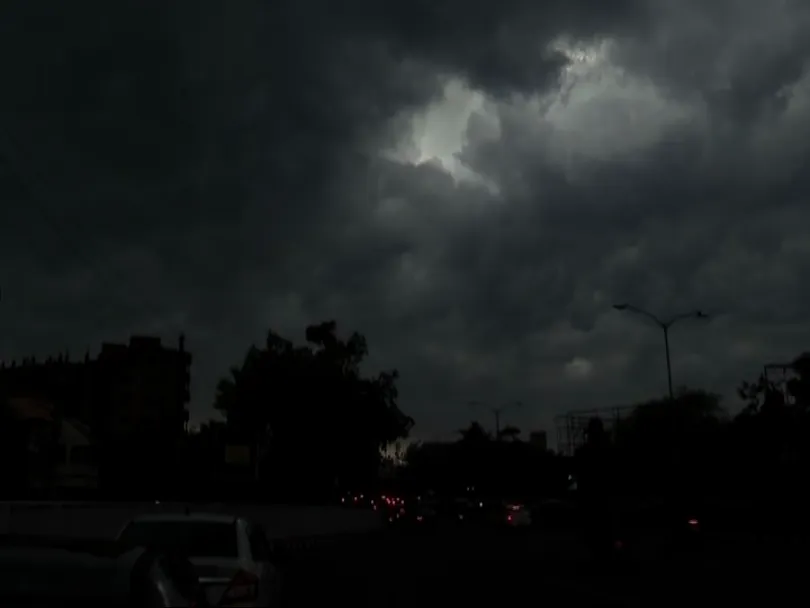
Western coastal areas are similarly preparing for intense downpours. Mumbai could face extremely heavy showers by the approaching weekend, with certain metropolitan locations expecting nearly 500 mm of precipitation. These dual weather systems will pump abundant moisture into central, eastern, and western India, effectively ending the current rainfall deficit. Authorities warn that while agricultural sectors eagerly welcome this changing weather, urban centers must urgently prepare for potential waterlogging, flooded streets, and public transport disruptions during peak shower hours. Residents should stay updated on local warnings.

Image refereence: IMD