



Molecular Magic of Traditional Dalma
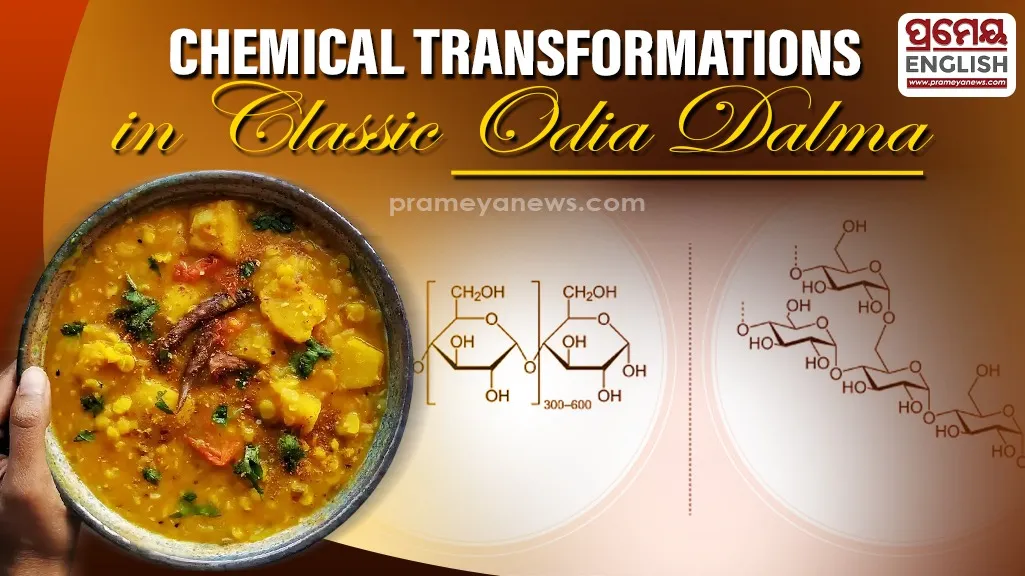
Harada dali dalma represents a brilliant example of complex molecular interactions. This traditional stew combines protein-rich lentils with diverse vegetables to create a highly nourishing matrix. Plant cell walls break down gently to release trapped moisture and natural sugars. Water acts as a crucial solvent that extracts water-soluble vitamins and flavour compounds. Starch granules absorb liquid and swell to thicken the overall consistency naturally. Proteins within the lentils begin to unwind and denature as they absorb the surrounding moisture.
Precooking Preparation Chemistry
Cutting vegetables into uniform cubes ensures consistent heat penetration and equal rates of thermal softening. Soaking lentils for a brief period initiates hydration and softens the tough outer seed coat. Crushing fresh ginger ruptures cell walls to release volatile aromatic compounds like gingerol. Roasting whole spices before grinding drives off residual moisture and concentrates their potent essential oils. This dry heat process creates new flavour molecules through early stages of thermal degradation. Mechanical friction during crushing further breaks down fibrous plant structures to maximize surface area exposure.
Thermal Transformations and Flavour Locking
Boiling vegetables and lentils together triggers significant structural changes across multiple plant tissues. Raw papaya contains papain, an enzyme that helps break down complex proteins into simpler peptides. Starch granules from the yam and pumpkin undergo gelatinization at sustained high temperatures. These swollen granules eventually burst and release amylose molecules to create a rich, velvety broth texture. Turmeric adds curcumin, a valuable polyphenol that imparts vibrant color and binds effectively with lipids. Continuous heat breaks down rigid pectin structures in the vegetables to render them soft and highly palatable.
Chemistry of Final Tempering
Hot ghee acts as a powerful non-polar solvent during the critical final tempering stage. Exposing cumin seeds and red chilies to high heat triggers rapid essential oil release and minor Maillard reactions. Lipid molecules in the clarified butter capture fat-soluble aromatic compounds from the spices instantly. Pouring this hot tempering over the boiled lentils creates a temporary microscopic emulsion. This physical process disperses liquid fat droplets throughout the water base to create a smooth mouthfeel. Covering the pot immediately traps highly volatile aromatic molecules before they can escape into the surrounding air. Finishing with roasted cumin powder and fresh coconut introduces contrasting textures and complex residual enzymatic notes.