


.webp)
Washington slaps fresh import duties targeting forced labor violations
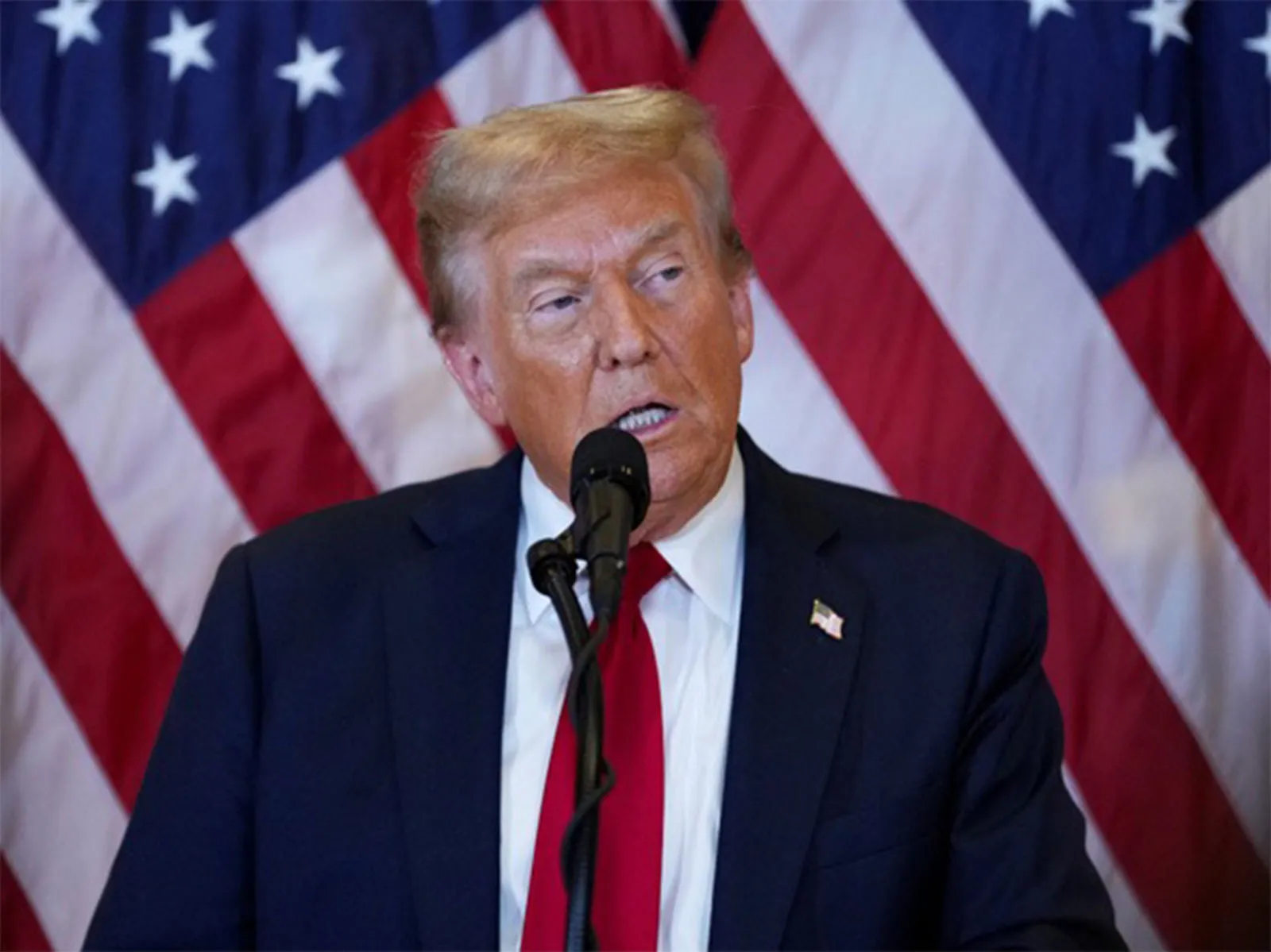
President Donald Trump has authorized new double-digit import duties against 60 trading partners, targeting nations failing to enforce bans on goods created by involuntary workers. Taking effect immediately, this aggressive trade measure applies taxes ranging from 10 percent to 12.5 percent on global imports. Washington implemented these revised levies precisely as previous stopgap taxes expired, following a major Supreme Court ruling in February that dismantled earlier emergency tariff actions. US Trade Representative Jamieson Greer emphasized that American legislation has banned such imports for nearly a century, demanding similar compliance from global partners to protect basic human rights and correct trade distortions.
Impact on Indian Exports
India faces a finalized 10 percent tariff structure, avoiding the steeper 12.5 percent penalty initially threatened. White House officials confirmed this lower rate applies because New Delhi recently enacted specific policy changes to block illicit imports, alongside nations like Canada and the United Kingdom. On June 14, India officially amended its foreign trade policies to strictly prohibit importing goods manufactured through forced labor, a strategic move that protected key domestic industries from facing harsher economic penalties. Furthermore, navigating these strict trade barriers helps exporters maintain steady access to overseas buyers.
Future Trade Repercussions
More financial barriers remain on the horizon as tensions escalate. Reports indicate Washington plans to introduce another round of penalties aimed at countries subsidizing excess manufacturing capacity. For Indian businesses, especially those exporting textiles, seafood, and gems from regions like Odisha and Gujarat, adapting to these stringent US compliance requirements remains absolutely critical for survival in America's lucrative market. Certain essential commodities, including oil, natural gas, and products governed by regional North American trade agreements, secured explicit exemptions from this latest round of financial restrictions. Compliance will dictate future corporate trade success across multiple vital economic sectors throughout the upcoming fiscal year.
.webp)