
.webp)



Military fire erupts near Qeshm Island during maritime standoff
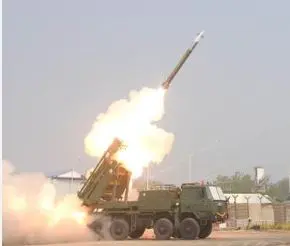
Iranian military units and American naval forces engaged in a direct exchange of fire near the strategic Qeshm Island on Thursday, threatening a fragile month-long ceasefire. State media in Tehran confirmed that explosions rocked the Bahman pier area following what they described as hostile actions by external forces. While Iranian sources claim their missiles forced "enemy units" to retreat after an alleged attack on an Iranian tanker, US Central Command characterized its actions as defensive strikes following unprovoked aggression against three American destroyers.
Escalation at Qeshm Island
Local residents in Bandar Abbas reported hearing multiple blasts as air defense systems activated to intercept unidentified aerial vehicles. The IRGC-affiliated news outlets suggested that regional actors might have assisted in the strike on the Bahman pier, though official confirmation remains pending. This specific location is vital for regional logistics, housing critical infrastructure and serving a population of nearly 150,000 people.
Global Energy Risks
Shipping traffic through this narrow waterway, which facilitates roughly 20 percent of the world’s oil consumption, has already plummeted by 70 percent since the start of the 2026 crisis. Any sustained combat here risks a total blockade, potentially driving international energy prices to unprecedented levels. Historically, the Strait of Hormuz has functioned as the world's most sensitive chokepoint; even minor skirmishes during the "Tanker War" of the 1980s led to significant global economic shifts.
Ceasefire under Pressure
Despite the heavy ordnance used in this latest encounter, political leadership in Washington described the military action as a limited response rather than an end to the Pakistan-mediated truce. Negotiators in Islamabad continue to push for a sustainable diplomatic resolution, though the presence of sea mines and targeted strikes on commercial tankers makes a return to normal navigation unlikely in the immediate future. Security analysts remain on high alert as both nations reinforce their naval positions along the Hormozgan coastline.
.webp)