


.webp)
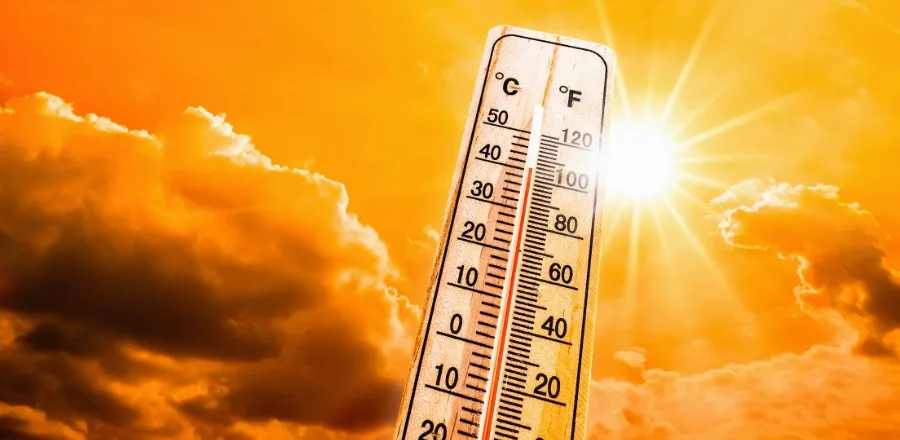
March temperature spikes signal an unusually harsh summer ahead
Early March is already feeling like peak summer across the country, marking the sudden arrival of the India heatwave 2026. Citizens are experiencing unexpectedly scorching weather, with mercury levels shooting 4°C to 8°C past historical averages. Weather monitoring agencies confirm that this premature warming trend stretches across major northern and central zones. Capital city Delhi recently recorded a sweltering 35°C, a highly unusual figure for the first week of March.
Meteorological experts are closely tracking this massive spike in daytime heat. Multiple states, ranging from Punjab and Rajasthan to Uttar Pradesh and Haryana, are battling these sweltering conditions. Health and civic authorities have urged residents to limit their afternoon sun exposure and maintain proper hydration. Forecasters at the India Meteorological Department note that this sudden shift skips the usual pleasant spring transition entirely.
Several specific territories now face official heatwave warnings. Isolated pockets in Vidarbha, Coastal Andhra Pradesh, Rayalaseema, Himachal Pradesh, and northern Tamil Nadu are heavily impacted. For readers relying on an Odisha weather update, these broader regional shifts suggest coastal Odisha temperature patterns also require close monitoring. The IMD heatwave alert system remains active as the early summer heat grips the nation.
Scientists point to completely dry atmospheric conditions as the primary culprit. Usually, late winter brings active western disturbances that generate protective cloud cover and much-needed rain. Without these cooling weather systems, direct sunlight is currently baking the ground. Clear skies mean daytime heat accumulates rapidly, accelerating the summer weather forecast timeline drastically.
Climate researchers are expressing deep concern over these shifting weather updates India is seeing. Heatwaves are steadily striking earlier each year. When intense warmth arrives prematurely, it threatens crucial agricultural cycles, speeds up the evaporation of water reservoirs, and significantly elevates public health risks for vulnerable populations.
Citizens might soon catch a brief break from the intense heat. Forecasters anticipate a fresh western disturbance entering northern territories shortly after March 9. This incoming system promises to drag in cooling clouds, thunderstorms, and light showers, potentially dropping temperatures by a comforting 5°C to 7°C. Simultaneously, localized thunderstorms in eastern and southern areas could temporarily soften the harsh environmental conditions. However, if this overarching warming trajectory persists, experts warn the nation must brace for an unusually prolonged and brutal summer season this year.
.webp)