


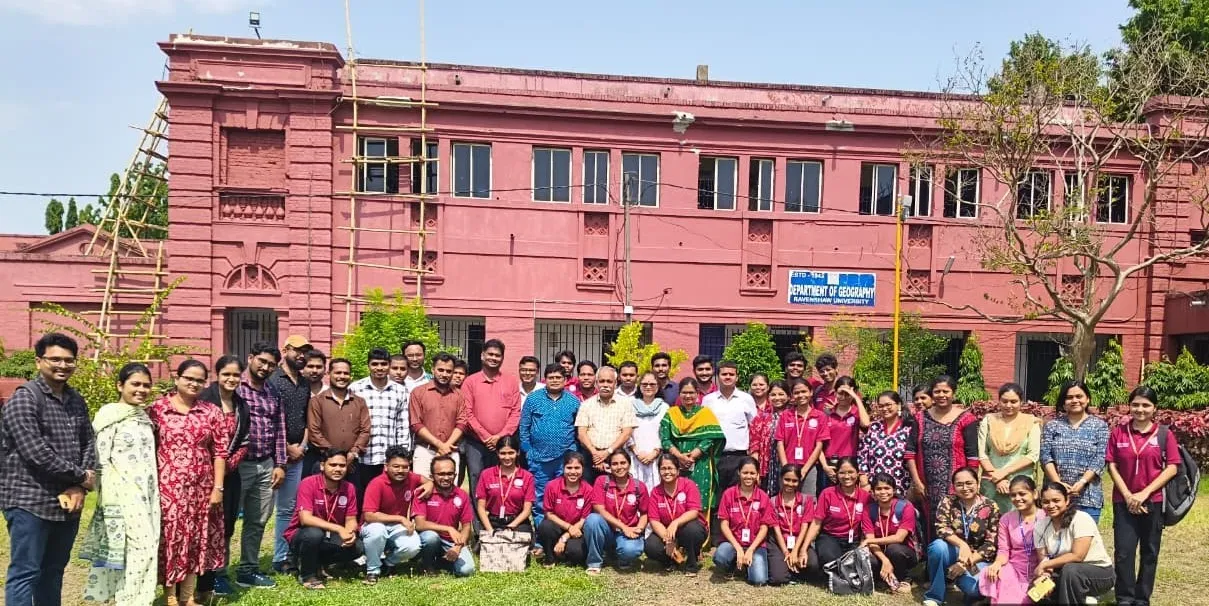
Ravenshaw University hosts expert talk on global disaster management
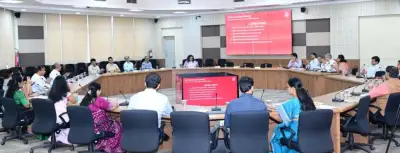
Ravenshaw University’s Department of Geography and NSS Bureau collaborated to host a critical discussion focusing on disaster risk reduction and sustainable development goals. This academic gathering featured Prof Narayan Chandra Jana from The University of Burdwan, who provided deep insights into how modern societies can withstand environmental shocks. His presentation focused on the urgent necessity of blending risk mitigation tactics with urban planning to combat the escalating threats posed by climate change.
Building Community Resilience
Prof Jana urged the audience to look beyond immediate relief efforts and focus on long-term preparedness. He argued that true societal strength comes from active community awareness and smarter resource management. For a state like Odisha, which faces frequent cyclones and coastal erosion, these strategies remain vital for protecting both lives and local economies. This historical vulnerability makes academic discourse at institutions like Ravenshaw University essential for shaping future policy.
Academic Leadership in Environmental Safety
Prof Sibabrata Das led the session, noting that universities must bridge the gap between theoretical research and practical environmental solutions. Dr Siba Sankar Sahu coordinated the event, ensuring that students and NSS volunteers could directly interact with the guest speaker. This exchange allowed participants to explore how governance and public participation serve as shields against natural calamities.
Participants left the session with a renewed sense of shared responsibility. Success in these initiatives depends on how effectively institutions can mobilize young volunteers to lead awareness drives within their own communities.