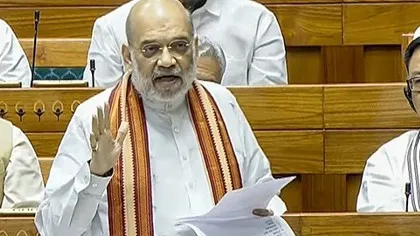
New Delhi , July 29: Union Home Minister Amit Shah hailed the Lok Sabha's passage of the Public Examinations (Prevention of Unfair Means) Amendment Bill, 2026, on Wednesday, reaffirming the government's unwavering commitment to penalising those who compromise exam integrity.
Congratulating students across the country, Shah emphasised that the legislation introduces stricter rules specifically designed to protect the dreams and aspirations of India's youth.
"Congratulations to every student in India on the passage of the Public Examinations (Prevention of Unfair Means) Amendment Bill, 2026 in Lok Sabha today. The bill shields the dreams and aspirations of our youth by laying down iron-clad provisions imposing the harshest punishment on those who dare to breach the sanctity of public examinations. The Modi govt will spare no one who attempts to imperil the future of our students and will leave no stone unturned to ensure that they face the full wrath of the law," he said on X.
Lok Sabha passed the Public Examination (Prevention of Unfair Means) Amendment Bill, 2026 after a brief reply by Union Minister Jitendra Singh, who took several digs at Congress leader Rahul Gandhi, alleging that he had used unparliamentary language and if he "is even aware of basic parliamentary norms".
The bill saw a marathon debate started at 2 pm on Tuesday and the House sat till 11 pm. It resumed debate on Wednesday.
The Bill proposes to enhance the punishment for persons resorting to unfair means by increasing the term of imprisonment to not less than five years, extendable up to ten years, as against the existing provision of imprisonment for a term of not less than three years, extendable up to five years.
The maximum fine is also proposed to be enhanced from Rs 10 lakh to Rs 50 lakh.For service providers found involved in offences, the Bill proposes to increase the maximum fine to Rs 5 crore and extend the period of debarment from conducting any public examination from four years to eight years.
For organised examination-related crimes, the Amendment Bill proposes to increase the minimum term of imprisonment from five years to seven years, extendable up to ten years, while enhancing the maximum fine from Rs 1 crore to Rs 10 crore.



.webp)
.webp)