
.webp)


India prohibits toxic herbicide to protect agricultural workers nationwide
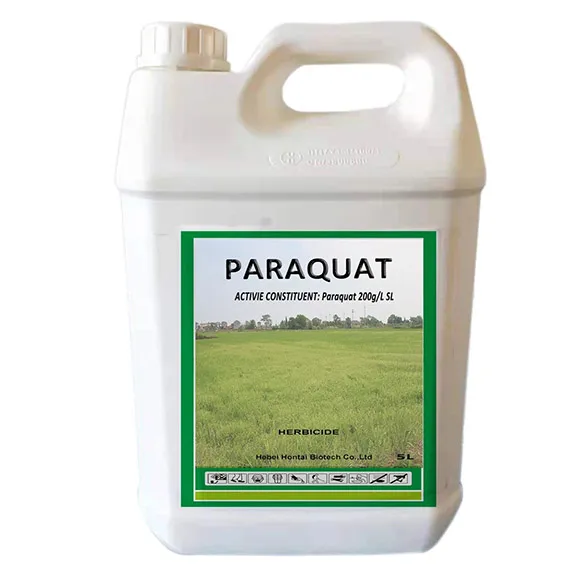
Central government officials issued a draft notification on Tuesday to immediately prohibit paraquat dichloride across the country. This deadly weed killer lacks any known specific antidote. Agricultural states like Odisha have long grappled with unregulated pesticide application, making this national regulatory action a vital step for rural health and food safety.
Regulators invoked Section 27 of the Insecticides Act, 1968, to halt all manufacturing, sales, and imports of this dangerous substance. More than seventy nations, including China and European Union members, already phased out this specific formulation due to severe health risks. Exposure to even small amounts can permanently damage human lungs, kidneys, and liver. Farm labourers frequently face fatal consequences from accidental ingestion or breathing in the fine spray mists.
Ending Widespread Agricultural Misuse
Farmers previously applied this product legally on nine specific crops, including tea, potatoes, and cotton. Regulators, however, discovered widespread improper application across various farming regions. Growers sometimes sprayed the chemical on green gram right before harvest to dry the plants quickly and reduce manual labour costs. Such dangerous shortcuts risked pushing toxic residues directly into the human food chain.
Stakeholders have thirty days from July 13, 2026, to submit their objections or suggestions regarding this proposed regulation. Once authorities publish the final legal order, all existing registration certificates will face immediate cancellation. Dealers and manufacturers must surrender their approved documents within three months to avoid strict legal penalties. State governments will conduct thorough inspections to enforce compliance. This decisive measure might encourage Indian authorities to evaluate other controversial agrochemicals currently sold in local markets.
.webp)