

.webp)
Energy markets face extreme volatility following Iranian maritime threats
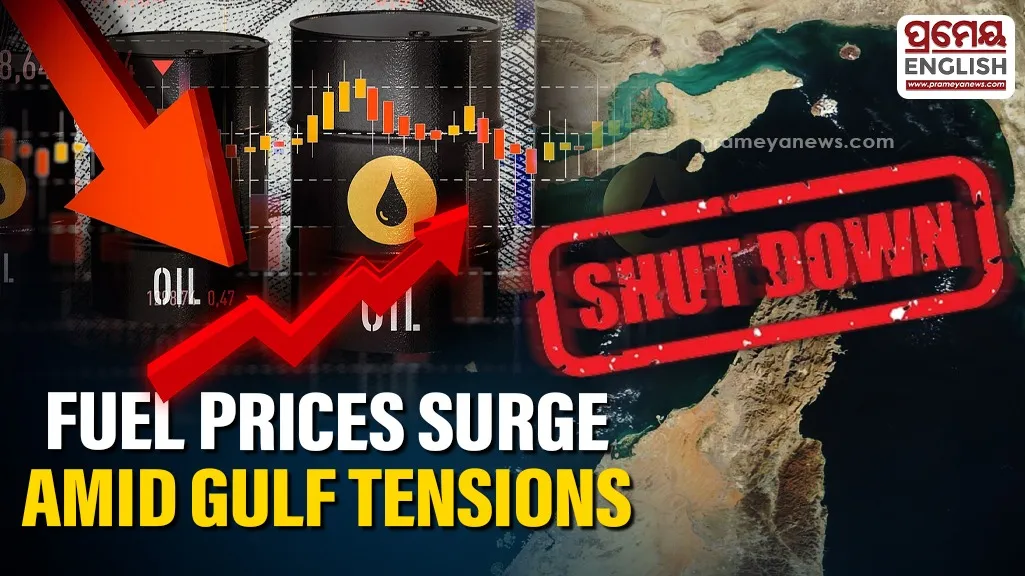
Global energy prices surged on Monday following the Islamic Revolutionary Guard Corps' (IRGC) announcement to close the Strait of Hormuz. Brent Crude jumped 4.72 per cent to reach USD 94.65 per barrel, while West Texas Intermediate climbed over 5.5 per cent. This sudden spike follows allegations from Tehran that the United States failed to honor ceasefire conditions by maintaining a naval blockade on Iranian vessels. Investors responded with immediate caution as Dow Jones Futures dropped nearly 367 points in early trading. While Asian markets like the Nikkei 225 and KOSPI showed marginal gains, the underlying tension remains high. The IRGC has warned that any vessel approaching the Strait will be viewed as cooperating with the enemy, effectively halting 20 per cent of the world's oil supply.
Geopolitical Friction and Shipping Protocols
Iran shifted its stance by declaring that the waterway is now under "strict management." Reports suggest Tehran might prioritise ships that pay specific "security fees," a move US officials have labeled as maritime blackmail. President Donald Trump has countered these threats, asserting that Iran lacks the naval capacity to sustain a long-term blockade.
Regional Impact and Historical Context
India remains particularly vulnerable to these disruptions as it imports over 80 per cent of its crude oil, with a significant portion traditionally transiting through this volatile corridor. Historically, any threat to the Strait of Hormuz triggers an immediate "war risk premium" in fuel prices, impacting everything from transport costs to food inflation in emerging economies. Diplomatic efforts appear stalled after Tehran rejected a second round of talks scheduled in Islamabad. Without a clear path to de-escalation, analysts predict Brent Crude could exceed the USD 100 mark if the IRGC carries out its threat to target violating vessels in the Persian Gulf.
.webp)