

.webp)


University administration vows strict action against students for protest slogans
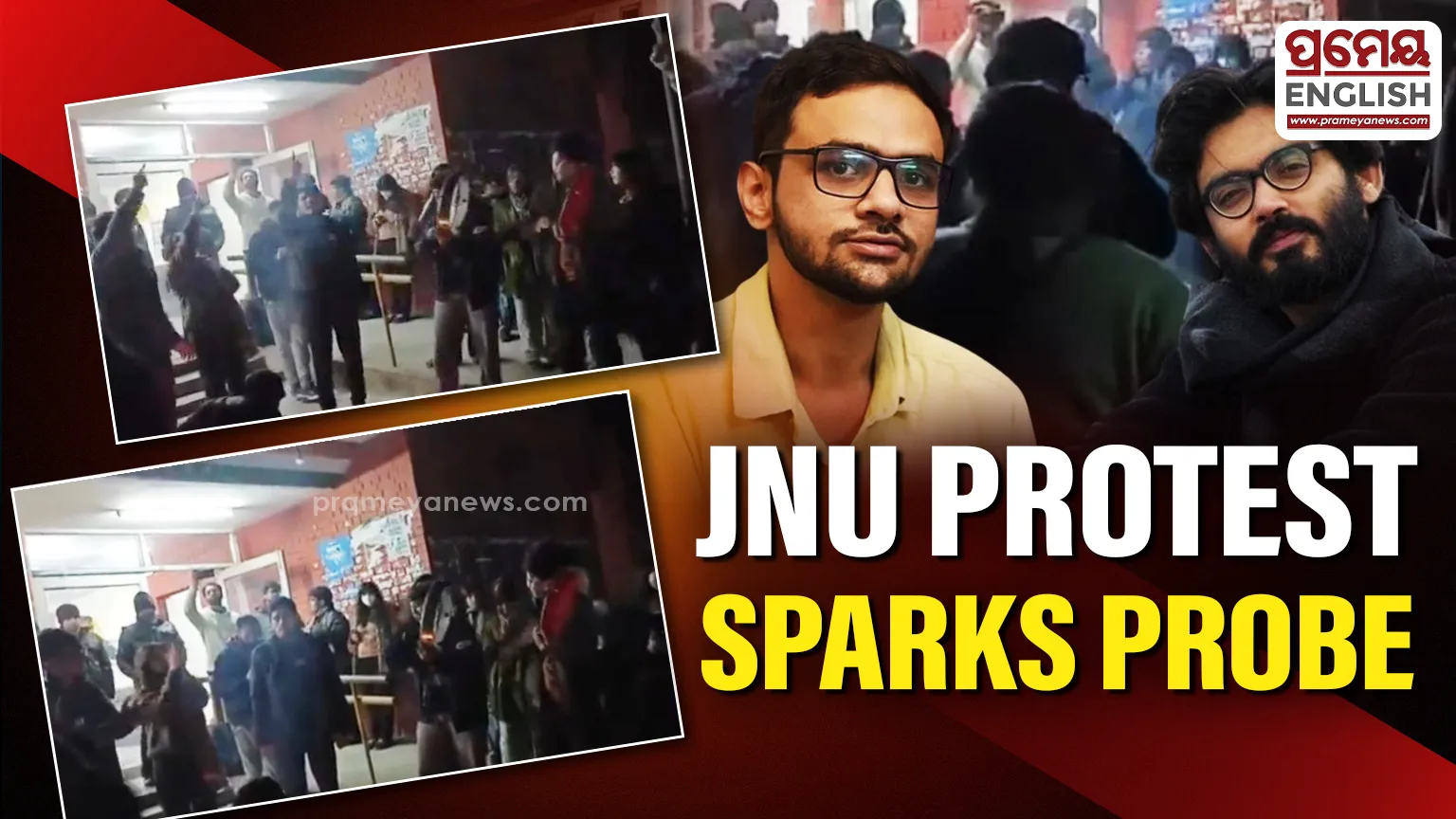
Fresh tensions have gripped Jawaharlal Nehru University (JNU) following a late-night protest that has now snowballed into a major JNU slogan controversy. The incident, which occurred on January 5, allegedly involved students raising provocative slogans against Prime Minister Narendra Modi and Home Minister Amit Shah. As videos of the demonstration began circulating on social media, the university administration and security agencies quickly moved into action.
The protest was organized to mark the anniversary of the 2020 campus hostel attacks. However, the timing coincided with the Supreme Court’s recent decision to deny bail to activists Sharjeel Imam and Umar Khalid. The administration claims that what began as a commemorative gathering turned into a platform for "objectionable" sloganeering. In response, JNU officials have condemned the act, stating that while freedom of expression is a fundamental right, the campus cannot be allowed to function as a "laboratory of hatred."
The university’s security wing has already approached the Delhi Police, seeking the registration of an FIR against several student leaders. Names mentioned in the official complaint include JNUSU President Aditi Mishra and others. Potential consequences for those found guilty are severe, ranging from immediate suspension to permanent expulsion from the institution.
The political fallout has been swift. BJP leaders, including Maharashtra Deputy CM Devendra Fadnavis and Union Minister Giriraj Singh, have issued stern warnings against what they describe as "anti-national" sentiments. On the other hand, the JNUSU has defended the protest, arguing that the slogans were purely ideological and not personal attacks. They claim the current controversy is an attempt to mask the failure of authorities to catch the culprits of the 2020 violence.
As the Delhi Police JNU probe continues, the campus remains a focal point of national debate. The clash between the ABVP and JNUSU has further intensified, with both sides trading accusations of "intellectual terrorism" and "political repression."
.webp)