
.webp)
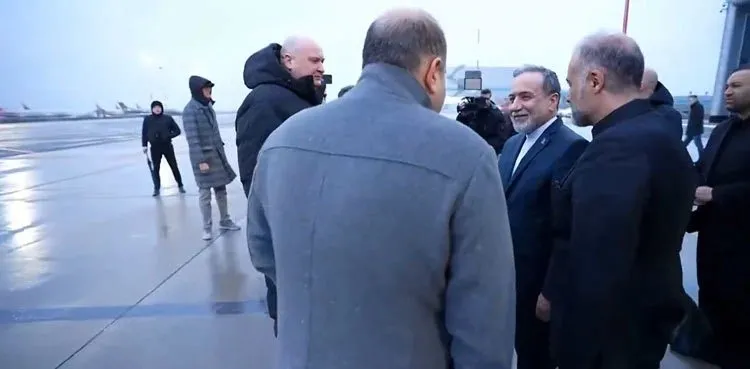
Abbas Araghchi seeks Russian backing for a new regional ceasefire.
Iranian Foreign Minister Abbas Araghchi landed in Saint Petersburg early Monday to present a critical peace framework to President Vladimir Putin. This high-level diplomatic mission follows a whirlwind tour through Oman and Pakistan as Tehran attempts to salvage a fragile ceasefire and resolve the West Asia crisis.
Russian officials confirmed that the meeting focuses on a "new paper" submitted by Iran, which reportedly outlines terms for ending hostilities that erupted on February 28. Central to these discussions is the future of the Strait of Hormuz. While some voices in Tehran suggest imposing tolls on maritime traffic, the official proposal focuses on reopening the waterway in exchange for security guarantees and the lifting of port blockades.
Moscow’s involvement provides a strategic buffer for Iran against Western diplomatic pressure. Historically, Russia and Iran have strengthened ties while facing shared economic sanctions, often aligning their positions within the UN Security Council to counter US-led initiatives. For Odisha, these developments are significant as any prolonged disruption in the Strait of Hormuz directly impacts global fuel prices and the stability of energy imports reaching Indian shores.
Diplomatic Shuttle Missions
Before arriving in Russia, Araghchi engaged in intense consultations in Islamabad. Reports indicate that a formal document was handed to Pakistani intermediaries for delivery to Washington. This communication clarified Tehran’s "red lines," specifically regarding its nuclear energy sector and sovereign control over maritime routes.
.webp)