

.webp)


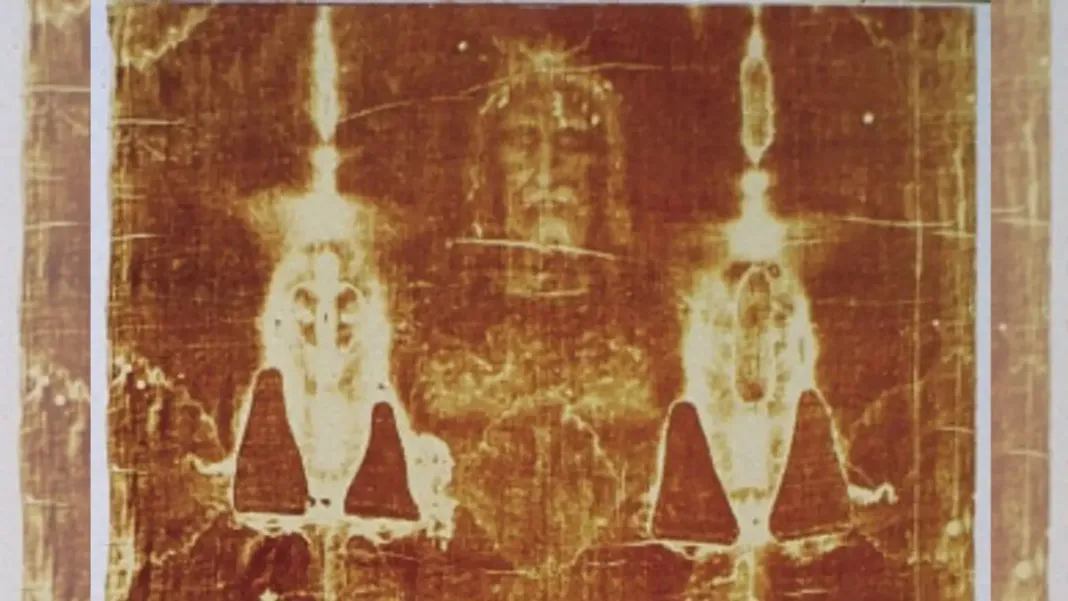
Scientific genomic mapping reveals unexpected Indian DNA on holy relic
Genomic researchers discovered that the Shroud of Turin, long revered as the burial garment of Jesus Christ, contains significant DNA traces from the Indian subcontinent. A recent study led by Italian scientist Gianni Barcaccia analyzed biological samples from the 4.4-meter linen cloth, finding that nearly 38.7% of the maternal DNA lineage identifies with India. This finding challenges traditional narratives regarding the relic's geographic isolation.
Ancient Textile Trade Connections
Experts believe these genetic markers likely originated from historical commerce rather than the person wrapped in the cloth. The research suggests the linen or the yarn used to create it may have been imported from the Indus Valley. Rabbinic texts from the era frequently referred to high-quality textiles from this region as "Hindoyin," confirming a robust trade network between ancient India and the Near East. This suggests the Shroud traveled through a complex web of cultural and economic exchanges before arriving in Europe.
DNA Limitations and Context
While the study confirms diverse human contact, it fails to pinpoint a specific timeframe for this Indian interaction. The DNA could have been deposited during the cloth's manufacture, its documented travels through Anatolia before 1354, or even during centuries of public veneration in France and Italy.
Analysis also detected DNA from Mediterranean flora and New World plants like maize and potatoes. Such variety proves the Shroud acted as a biological sponge over two millennia. However, because of extensive environmental "contamination," scientists still cannot definitively link the original fibers to Jesus of Nazareth.
.webp)