


Scientific demographic analysis must replace political speculation on migration.
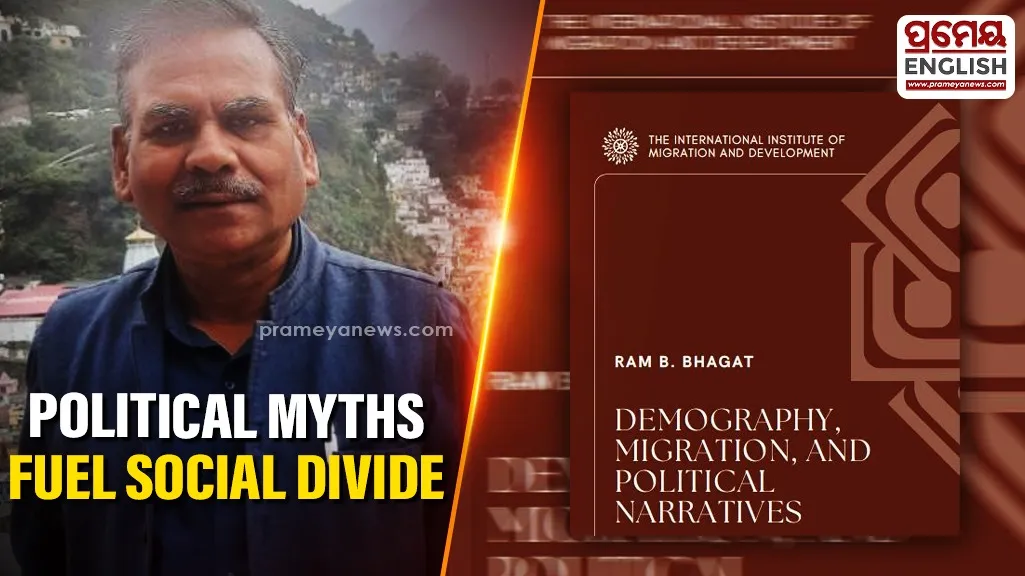
Misconceived political narratives regarding illegal migration create social anxiety. Ram B. Bhagat, a visiting professor at the Institute for Human Development, argues that demography should be treated as a measurable science rather than a tool for electoral mobilisation. Political discourse frequently surrounds population size and composition in simplistic ways that lack empirical data.
Science behind Human Numbers
Demography originates from the Greek words 'demos' and 'graphein', meaning to describe people. This discipline shares etymological roots with democracy, which implies the rule of people. Despite these humanistic origins, modern population studies often view people as mere aggregates of numbers. Professor K.C. Zachariah utilised scientific rigor to demystify narratives that were not evidence-based. His work provided methods to estimate net migration from census data, showing that migration is part of a nation’s natural economic advancement.
Politics of Fear And Infiltration
Illegal migration narratives frequently emerge during election cycles to mobilize votes through xenophobia. Figures ranging from 10 to 20 million "infiltrators" often circulate without official verification. In states like Assam, the implementation of the National Register of Citizens (NRC) identified 1.9 million people as illegal, though local governments often contest these results. Such political imagination relies on territorial fixing of social attributes, ignoring that population flows are dynamic across space and time.
Path toward Resolution
Linking birth and death registration systems with electoral rolls offers a robust way forward. This integration would allow for the immediate addition of voters at age 18 and the prompt removal of deceased individuals, reducing the risk of illegal entries. Current intermittent drives like the Special Intensive Revision (SIR) are controversial and may exclude women or marginalised communities. For Odisha, a state with high outbound labor migration to southern states, such a linked system would protect the voting rights of residents who are frequently away from home for work.
Protecting Fragile Social Harmony
National security and social harmony are better served by evidence-based policies than by fomenting nativism. Meticulous demographic analysis remains the best guide to demystify contrived narratives that primarily harm the poor and minorities.
DISCLIMER: Prameya or Prameya News7 does not endorse the views or recommendations expressed by experts in this article. These are solely their opinions.