
.webp)


Younger demographics increasingly display dangerous cardiovascular warning signs
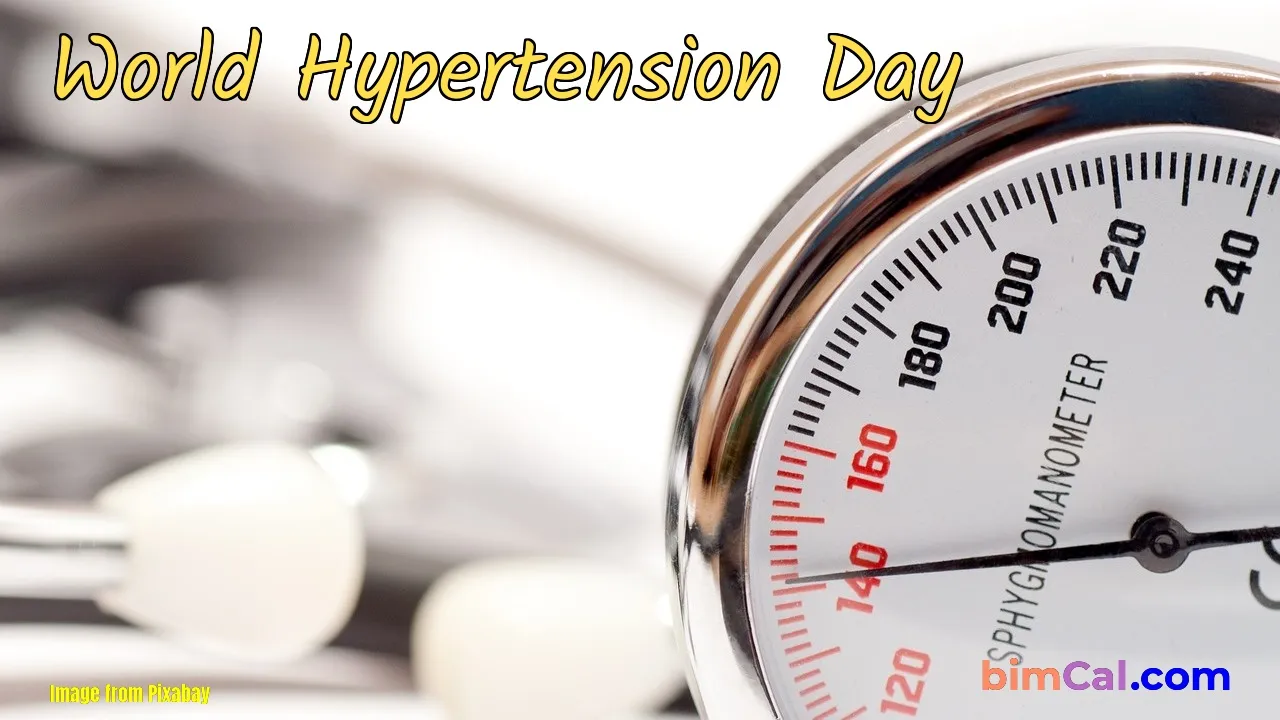
Rising numbers of working-age urbanites face unprecedented cardiac vulnerabilities driven by extended screen exposure, chronic stress, and hidden sodium. On World Hypertension Day 2026, medical tracking data shows a severe shift in patient demographics, with individuals in their twenties and thirties increasingly requiring medical intervention for elevated blood pressure. Clinicians warn that the traditional perception of this cardiovascular condition as an old-age ailment no longer applies to the modern Indian workforce.
Modern Triggers of Early Cardiovascular Strain
Blue light exposure and sleeplessness directly accelerate neurological stress responses. This prolonged sympathetic nervous system activation elevates resting heart rates and constricts arterial pathways over time. Concurrently, the proliferation of fast-food delivery services leads to excessive, unmonitored consumption of preservatives, pushing daily sodium intake far past recommended limits. Experts point out that sedentary routines combined with high mental workloads create a perfect environment for circulatory system failures.
Regional Trajectories and Institutional Warnings
Data from the Cardiological Society of India indicates that non-communicable vascular disorders are expanding rapidly into semi-urban zones. In regions like Odisha, shifting dietary habits and rural-urban migration patterns have brought a noticeable increase in stroke and heart attack frequencies among youth. The World Health Organization emphasizes that early detection remains highly critical, as early-stage arterial tension rarely displays noticeable physical symptoms.
Preventive Measures for the Digital Era
Reversing this hazardous trend demands proactive daily intervention. Medical professionals advise implementing strict digital cut-off times to allow circulatory equilibrium during rest cycles. Minimizing reliance on processed culinary items and instituting routine physical activity can dramatically improve arterial elasticity. Regular screening remains the primary defense against long-term internal organ damage.
.webp)