

.webp)


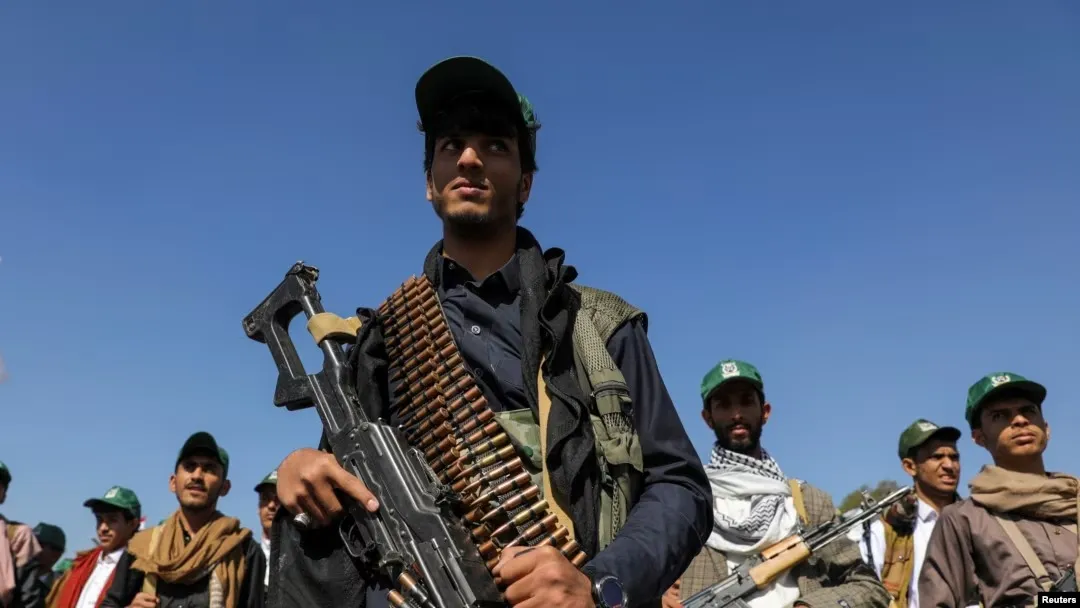
Yemen rebels escalate Middle East conflict with new strikes
Yemeni Houthi militants fired ballistic missiles toward Israeli territory on Saturday, actively joining the month-long war triggered by US-Israeli strikes on Iranian nuclear and industrial sites. Historically, the Bab El-Mandeb strait has served as a critical choke point for Asian trade routes, including vital energy shipments bound for growing economies like India.
Iran-backed forces declared they will sustain these hostile military operations until attacks against Tehran and allied factions cease. This new front directly threatens global energy stability, with Brent crude surging above $112 per barrel. Houthi factions previously demonstrated their capability to choke western shipping lanes, and their latest mobilization places Saudi export terminals squarely within firing range.
Gulf Infrastructure Hit Hard
Retaliatory drone and missile barrages struck multiple Gulf Arab states overnight. Industrial sites in Abu Dhabi caught fire, while Omani ports and Kuwaiti aviation radar systems sustained severe damage. Israeli emergency services reported one fatality in Tel Aviv. Concurrently, an Iranian strike on Prince Sultan Air Base wounded several American troops stationed in Saudi Arabia. The escalating death toll now exceeds 4,500 people across the region.
Diplomatic Deadlock Persists
President Donald Trump extended a deadline to April 6 for Tehran to unblock the vital Strait of Hormuz or face further bombardment. Washington flatly rejected Iranian demands for war reparations and guaranteed control over the waterway. While diplomats hint at potential mediation talks in Pakistan next week, military escalation continues.
American officials signal they currently have no plans for a full ground invasion. However, military analysts suggest that if negotiations collapse entirely, specialised ground forces might target Kharg Island to secure crucial petroleum exports or deploy teams to confiscate highly-enriched uranium. Both options carry extreme risks for deployed personnel and could drastically alter global security dynamics.
With Inputs from Public Domain
.webp)