


Anthropic introduces autonomous AI agents for complex banking tasks.
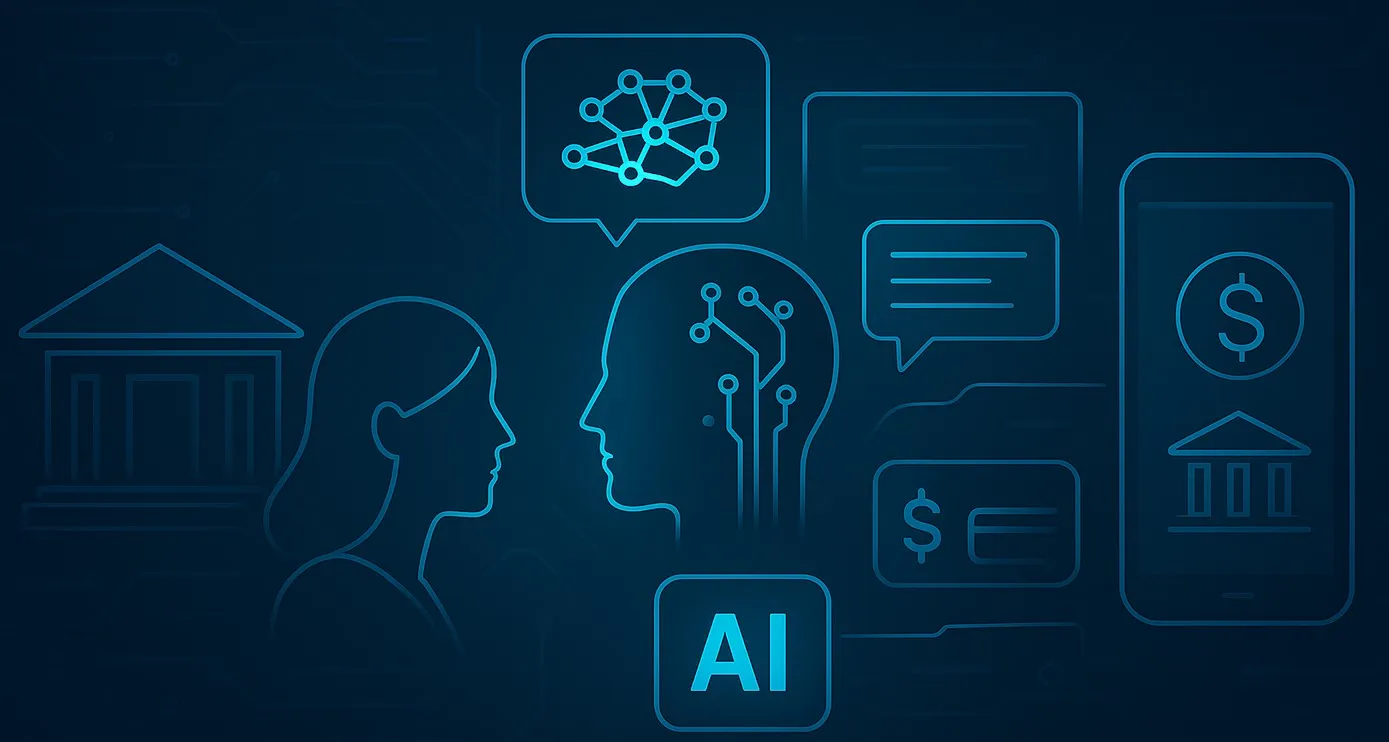
Anthropic has officially deployed ten specialised AI agent templates designed to automate core functions within the banking and insurance sectors. Revealed at a major industry event in New York, these tools target high-volume tasks such as screening Know Your Customer (KYC) files, building financial pitchbooks, and performing valuation reviews. By integrating directly into existing workflows, these agents aim to streamline operations that traditionally require hundreds of manual hours from junior staff.
Financial services now represent the second-largest revenue stream for Anthropic, trailing only the technology sector itself. This strategic pivot toward high-stakes enterprise applications comes as the firm deepens its partnership with major data providers. Through new connectors, including a dedicated Moody’s app, Claude can now access the specific data environments that professionals use daily. Users can deploy these agents as plugins within Claude Cowork or as autonomous managed entities on the broader Claude platform.
Industry analysts are monitoring the potential ripple effects on the global software services market. Previous releases from this AI developer triggered significant volatility in the valuations of major SaaS firms like Infosys and TCS, as investors weigh the cost-efficiency of autonomous agents against traditional human-led outsourcing models. In Odisha, where the growing IT sector in Bhubaneswar relies heavily on financial backend processing, such shifts in automation technology are particularly relevant for future workforce planning.
Efficiency remains the central pitch for these templates. A "pitch agent," for example, can simultaneously generate a comparables model in Excel, a presentation in PowerPoint, and a draft cover note in Outlook. Despite the high level of autonomy, the developer maintains that human oversight is baked into the system, requiring professionals to review and approve all AI-generated outputs before they are finalized or sent to clients.
Logical structural changes allow these tools to adapt to various corporate risk policies and modeling conventions. While the automation of first-year analyst tasks marks a technical milestone, the broader conversation now shifts toward how the global financial workforce will evolve alongside these increasingly capable digital coworkers.