
.webp)
Ashokastami is one of the most important festivals of Bhubaneswar, celebrated with great devotion during the sacred occasion of Chaitra Navratri. Observed on the eighth day (Ashtami) of the bright fortnight in the month of Chaitra, this festival holds deep religious and cultural significance, especially in Odisha.
Historical background
The roots of Ashokastami are closely associated with the ancient traditions of Hinduism and the rich temple culture of Bhubaneswar, often referred to as the “City of Temples.” The festival is primarily linked with Lord Lingaraj, the presiding deity of the famous Lingaraj Temple.
Historically, Ashokastami marks the ceremonial procession of Lord Lingaraj, believed to symbolize divine blessings and protection for the city. The name “Ashoka” signifies the removal of sorrow (“Shoka”), indicating the belief that observing this festival frees devotees from grief and suffering.
Rukuna Rath Yatra
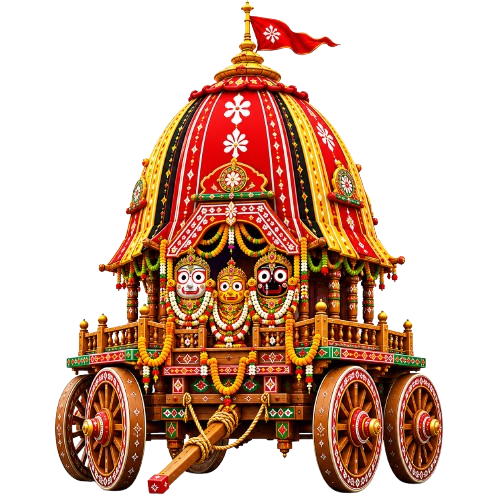
A major highlight of Ashokastami is the grand Rukuna Rath Yatra. On this day, Lord Lingaraj is taken out of the temple in a massive wooden chariot called “Rukuna Rath” and travels to the Rameswar Temple.
Thousands of devotees gather to pull the chariot, chanting prayers and seeking blessings. A unique feature of this yatra is that the chariot does not turn back (“Rukuna” means “no turning”), adding to its spiritual symbolism.
Religious significance
Ashokastami holds immense spiritual importance for devotees:
It is believed that participating in the Rath Yatra removes sins and brings peace and prosperity.
Devotees consume tender leaves of the Ashoka tree as a sacred ritual, symbolizing freedom from sorrow.
The festival represents the victory of positivity over suffering and the blessings of Lord Shiva.
Cultural importance
Beyond its religious aspects, Ashokastami reflects the vibrant cultural heritage of Odisha. The streets of Bhubaneswar come alive with traditional music, rituals, and a festive atmosphere. It strengthens community bonds and preserves centuries-old traditions.
Ashokastami is not just a festival but a celebration of faith, tradition, and hope. Deeply rooted in history and devotion, it continues to unite thousands of devotees every year, carrying forward the spiritual legacy of Bhubaneswar.
.webp)