


.webp)


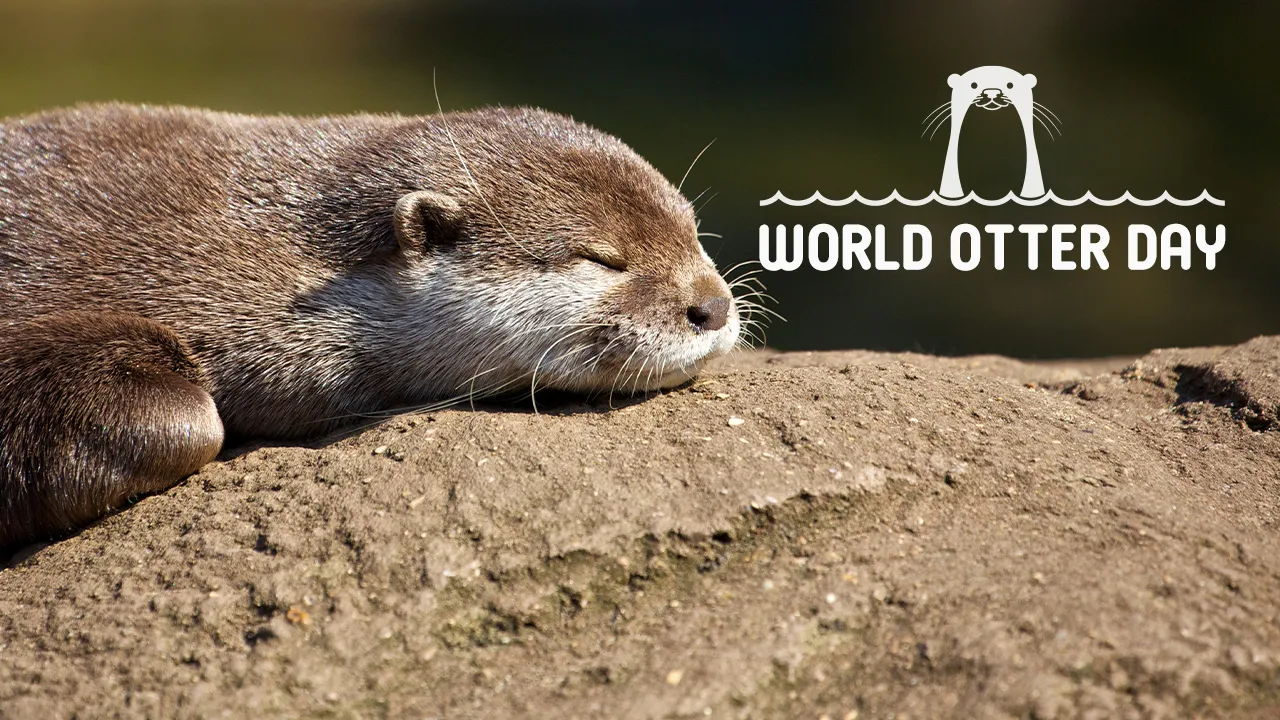
Global wildlife groups unite to shield vanishing river predators
World Otter Day marks its tenth anniversary today as environmental groups scale up protection efforts for endangered river mammals. Declining fish stocks, commercial overfishing, plastic pollution, and the illegal pet trade threaten these elusive creatures globally. Initiated by the International Otter Survival Fund in 2014, the annual event aims to safeguard shrinking wetland environments across dozens of countries. Wildlife researchers categorise these semi-aquatic predators as keystone species. Their health directly reflects the biological stability of rivers and coastal zones. Today, twelve out of thirteen global otter species face falling population trends.
Local wetland systems hold distinct value for these rare mammals within India. Camera trapping studies in Odisha reveal that protected zones like Bhitarkanika National Park and the brackish waters of Chilika Lake shelter critical populations of smooth-coated and Eurasian otters. Wildlife researchers view these coastal populations as vital ecological links between northern river systems and southern coastal habitats.
Marine varieties possess remarkable survival mechanics to navigate coastal waters safely. Individual sea otters maintain a designated stone within an specialized skin pouch below their forearm to fracture open hard shellfish. These social groups avoid separation in strong sea currents by linking paws to form secure floating clusters known as rafts. They lack thick body fat, meaning they rely entirely on dense, waterproof fur that requires constant grooming to prevent heat loss in freezing currents.
.webp)