


.webp)


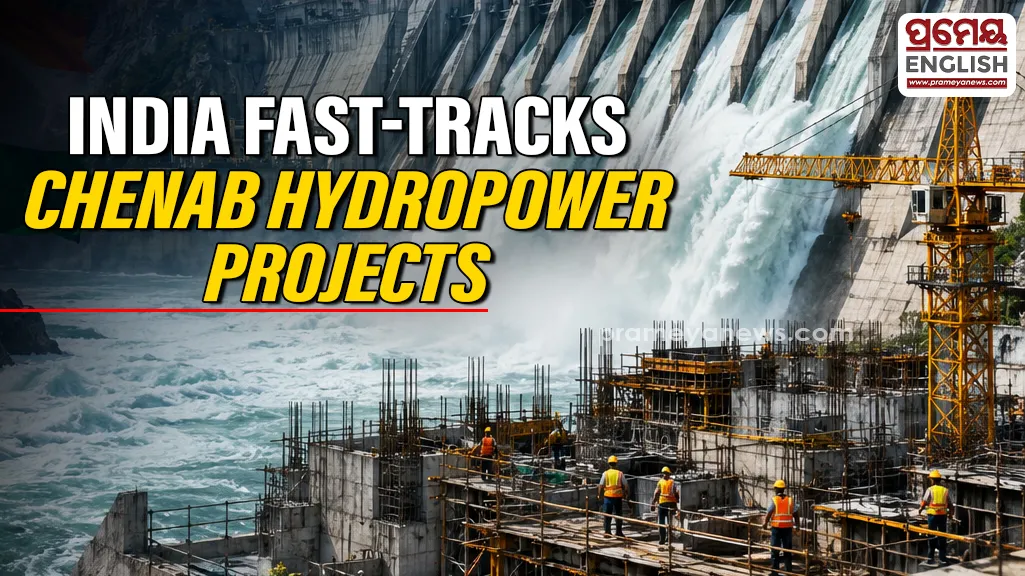
India accelerates Chenab hydropower projects, demanding strict treaty renegotiation
India has firmly decided to expedite 4,870 MW of hydropower projects on the Chenab River, signaling a clear refusal to return to the original Indus Waters Treaty framework. Government sources indicate New Delhi now considers the six-decade-old agreement obsolete, demanding strict renegotiation to reflect modern regional realities. Top officials maintain that any future bilateral water cooperation relies entirely on Islamabad permanently halting cross-border terrorism.
Brokered by the World Bank in 1960, this historical water-sharing arrangement initially allocated eastern rivers to India while primarily reserving western rivers, including the mighty Chenab, for Pakistan. Currently, New Delhi asserts its rightful share by aggressively pushing five major run-of-the-river installations. These critical developments include the 1,856 MW Sawalkote, 1,000 MW Pakal Dul, 850 MW Ratle, 624 MW Kiru, and 540 MW Kwar projects. Authorities expect the completion of the Kiru and Pakal Dul facilities by late 2026, with the remaining dams slated for commissioning over the subsequent two to three years.
Securing Strategic Clean Energy
Transitioning toward renewable power generation remains a core economic priority for India. Fast-tracking these hydroelectric installations allows the nation to bolster grid stability and drive crucial regional development across Jammu and Kashmir. By maximizing water usage within legal bounds, authorities aim to secure long-term energy independence while navigating climate challenges. Continuous border provocations have destroyed the mutual trust necessary to sustain international diplomatic agreements. Leaders in New Delhi argue they consistently upheld their obligations during past military conflicts, yet Pakistan repeatedly violated the spirit of peace through continuous militant operations. Consequently, the government paused treaty engagements last year, shifting its focus entirely toward domestic infrastructural growth. Until Pakistan changes its aggressive posture, India will prioritize fully utilizing the Chenab basin's power-generating potential rather than reverting to outdated diplomatic compromises.
.webp)