

.webp)


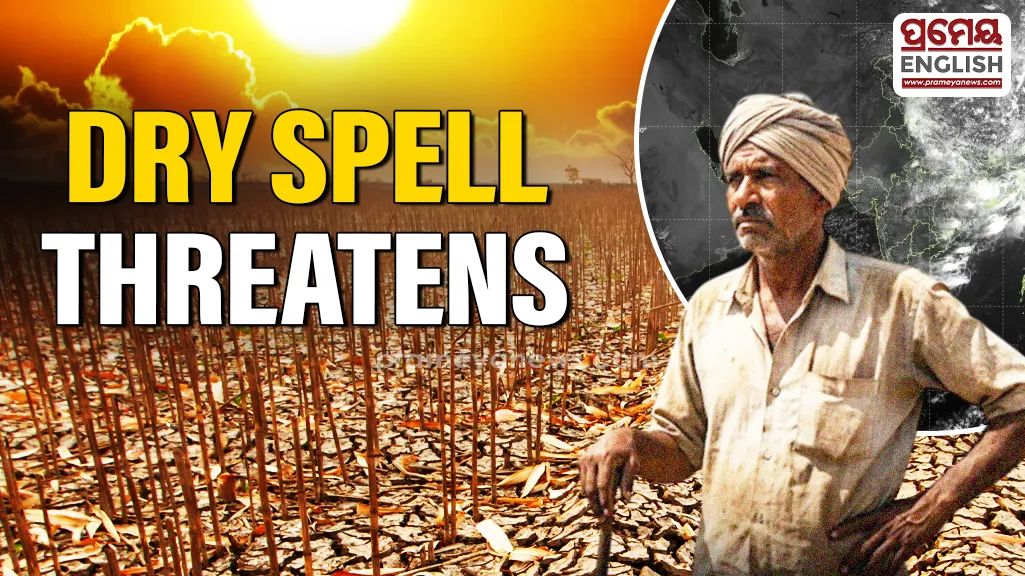
Impending dry spells threaten newly planted crops across India
India expects a sudden reduction in daily rainfall over the coming weeks, directly threatening recent agricultural progress. Weather experts predict this fresh dry spell will strike just as farmers finish planting their essential kharif crops. Expected drops will likely pull cumulative totals below normal levels again.
Heavy showers previously drenched much of the country for nine consecutive days. This intense storm activity helped erase the severe rainfall deficit recorded throughout June. Systems moving across the Bay of Bengal delivered vital moisture to parched regions. Water levels in essential reservoirs finally began to rise and recover. Consequently, overall seasonal numbers returned to normal limits after weeks of worry. Daily rainfall consistently stayed above standard averages, bringing immediate relief to vulnerable rural communities.
Pacific Warmth Disrupts Steady Weather Systems
Meteorologists warn this positive trend will quickly halt by mid-July. Forecasts show rain-producing cloud cover thinning out significantly across northern, western, and central states. This rapid environmental change directly stems from developing El Nino conditions over the equatorial Pacific. Rather than delivering consistent seasonal moisture, this warming phenomenon forces the local atmosphere into extreme cycles. Regions experience intense wet spells followed by prolonged dryness. Farmers in agrarian states like Odisha rely heavily on consistent July showers to sustain their water-intensive paddy fields.
Specialists remain deeply concerned about the timing of this upcoming break in precipitation. Newly planted rice requires constant soil moisture during crucial early growth stages. Extended dry periods without proper artificial irrigation will severely stress these fragile young plants. Total seasonal rain volume matters far less than the consistent distribution of water for healthy farm yields. Meteorological models suggest another active wet phase might eventually return later this month. Until then, farming communities remain incredibly vulnerable to these unpredictable atmospheric conditions.

Image Courtesy: IMD
.webp)