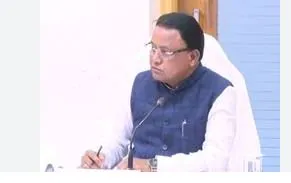



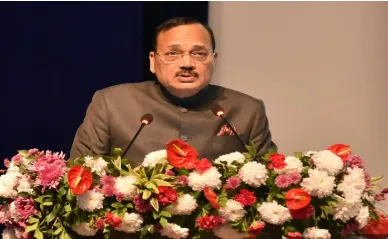
New Delhi, March 24: Chief Justice of India (CJI) Surya Kant called for a more accessible and inclusive justice system, emphasizing the need for greater legal awareness and outreach, particularly for vulnerable communities. His remarks came during the launch of several legal aid initiatives by the Delhi State Legal Services Authority (DSLSA) at the Delhi High Court on Monday.
In his address, CJI Surya Kant underlined the critical role of strengthening grassroots legal awareness to ensure that all citizens, especially marginalized groups, can easily access legal remedies. The event was attended by prominent figures from the judiciary, including Supreme Court Judge PV Sanjay Kumar and Delhi High Court Chief Justice Devendra Kumar Upadhyaya.
The DSLSA event unveiled a range of initiatives aimed at enhancing legal support systems at the community level. One key highlight was the launch of the "Handbook-cum-Field Diary for Para Legal Volunteers - 2026." This practical guide, designed for para-legal volunteers (PLVs), offers detailed insights into legal service institutions, eligibility criteria for free legal aid, and essential information on laws concerning women, children, consumers, and marginalized groups. It also provides guidance on crucial legal processes such as filing FIRs, cyber complaints, and accessing compensation.
Another notable initiative seeks to integrate legal awareness with healthcare and childcare systems, focusing on community legal empowerment. As part of this pilot project, ASHA and Anganwadi workers will be trained as PLVs, enabling them to spread legal knowledge at the grassroots level. These workers will conduct door-to-door outreach, identify individuals needing legal assistance, and help connect them with relevant welfare schemes and legal services.
Additionally, DSLSA introduced a scheme aimed at providing legal support alongside free medical treatment to victims through facilitation centres in government hospitals. These centres will offer immediate legal aid, counselling, and coordination with police and authorities, particularly for victims of crimes against women and children.
The event concluded with a vote of thanks, with officials affirming that these initiatives represent a significant step toward ensuring equal access to justice. By connecting legal services with community and healthcare systems, DSLSA hopes to build a more effective, citizen-centric legal framework.