


Bargarh, June 26: An alleged case of caste-based ostracism has come to light from Odisha's Bargarh district, where the family of an 80-year-old woman was forced to transport her body to the cremation ground on a bicycle after villagers reportedly refused to assist with her funeral.
The incident took place in Kantapada village under Paikmal block and has triggered widespread outrage, raising fresh concerns over the persistence of social discrimination despite legal safeguards.
The deceased, Jayanti Bachha, had a large family, including two sons, a daughter, daughters-in-law and grandchildren. Her husband had passed away several years ago, while her elder son died eight months ago. Her younger son currently lives in Bhanjanagar in Ganjam district after marrying outside his caste.
Following Jayanti's death on Thursday morning, her daughter Basanti, widowed daughter-in-law Yajnaseni, grandson Shubham and granddaughter Shivani approached villagers seeking help to perform the last rites. According to family members, no one came forward despite repeated requests.
The family also attempted to arrange a hearse to transport the body, but their efforts reportedly failed. As hours passed and the body remained at the house, the family found itself with no alternative.
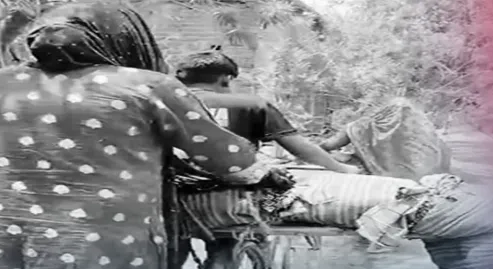
Finally, Jayanti's daughter and widowed daughter-in-law, assisted by her grandchildren, carried the body on a bicycle to the cremation ground, where they performed the last rites themselves. A few local residents, including Nileswar Banchhor, Dhabaleswar Bag, Arati Bagarti and Nrupati Banchhor, stepped forward to help with the cremation despite fears of facing social backlash.
Family members alleged that the social boycott stemmed from the younger son's inter-caste marriage, claiming the village treated the family as outcasts and even refused to participate in the funeral rites.
The incident has drawn criticism as government welfare measures exist to ensure dignified last rites for every individual. However, in this case, neither public representatives nor local administrative officials reportedly reached the village while the body remained unattended for several hours.
The incident has once again spotlighted the deep-rooted challenges of caste discrimination in rural areas and sparked demands for an inquiry and action against those responsible for denying the family basic humanitarian support during their time of grief.