
.webp)


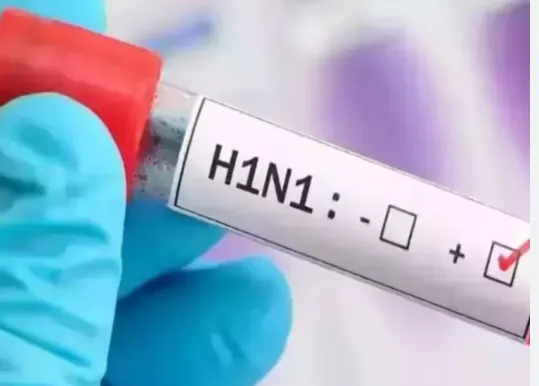
New Delhi, August 23:The Indian Council of Medical Research (ICMR) has clarified that no new strain of Influenza A (H1N1) has been detected in India and said there is no reason for panic over the seasonal influenza virus currently circulating in the country.
According to an ICMR press note quoting a senior scientist, the Influenza A (H1N1) pdm09 viruses currently circulating in India are similar to the A/Missouri/11/2025 (H1N1) pdm09-like strain. The viruses belong to clade 6B.1A.5a2a and subclade D.3.1.1 and have been in circulation since 2025.
The scientists also said that the influenza strains currently circulating in the country are well matched with the vaccine strains recommended for the Northern Hemisphere.
Seasonal influenza, including H1N1, is "mostly self-limiting", with common symptoms including fever, cough, headache and body aches. Most people recover with appropriate care and adequate rest, the ICMR said.
However, young children, elderly people and those with underlying medical conditions may be at higher risk of developing complications. People have been advised to consult a doctor if symptoms persist, worsen or become severe.
The situation is being closely monitored through regular surveillance, with necessary public health measures being undertaken, the health research body said.
The clarification comes amid continued monitoring of influenza activity and follows a health review meeting chaired by Union Health and Family Welfare Minister JP Nadda to assess Delhi's preparedness for seasonal and vector-borne diseases, including influenza, dengue and malaria.
Delhi Health Minister Pankaj Kumar Singh attended the meeting and briefed the Centre on surveillance activities and hospital preparedness in the national capital. He apprised the Union Health Minister of measures being undertaken by the Delhi Government to monitor seasonal and vector-borne diseases, besides steps to ensure timely diagnosis and treatment.
"Delhi is fully prepared to deal with the present health situation. There is no shortage of beds, doctors, medicines or essential medical equipment, and every patient will receive timely and appropriate treatment," Singh said.
.webp)