
.webp)


Mumbai, Oct 15: India's effective insurance coverage could double to 30 per cent over the next five years from an estimated 15 per cent currently, Insurance Regulatory and Development Authority of India (IRDAI) Chairman Ajay Seth said on Thursday, underscoring the need to bridge the country's significant insurance protection gap.
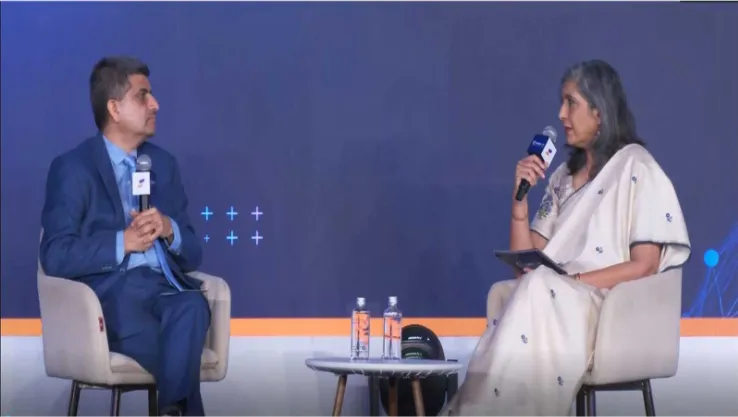
Speaking at the SamvAAd 2026 India Open Finance Summit in Mumbai, Seth said wider adoption of digital insurance services and more affordable products could help extend financial protection to a larger section of the population and businesses.
"At the most, 15 per cent of our population and economic enterprises would have an effective cover," Seth said during a discussion with financial educator and author Monika Halan.
He expressed the possibility of increasing the coverage level to at least 30 per cent over the next five years, effectively doubling the proportion of people and businesses with adequate insurance protection.
However, Seth clarified that the current estimate was based on his assessment, as the insurance industry does not systematically measure the number of individuals and businesses adequately covered by insurance.
He said the industry primarily tracks the number of policies sold and premiums collected, rather than the number of people insured or the total sum insured.
The distinction highlights a key challenge for the sector, as rising policy sales and premium collections do not necessarily translate into adequate financial protection for households and enterprises.
Seth said digital infrastructure, including the Account Aggregator (AA) framework, could help expand insurance penetration by enabling insurers to access financial information with customers' consent. Such mechanisms could also lower the cost of delivering insurance services.
He emphasised that the industry must focus on developing products and services that address the specific requirements of individuals and small businesses, rather than concentrating solely on digital infrastructure.
Drawing a parallel with the Unified Payments Interface (UPI), Seth said the insurance sector needed to generate similar demand for digital services to encourage wider adoption.
He also highlighted the continuing importance of insurance agents and intermediaries in advising customers and helping them select suitable products. Digital platforms, however, would be crucial to extending insurance access beyond higher-income groups, particularly to customers in smaller cities.
"Digital is the way to move forward," Seth said, pointing to the potential of account aggregator infrastructure to make insurance services more affordable. The remarks underscore the need for India's insurance industry to move beyond conventional indicators such as policy volumes and premium collections towards assessing the extent of meaningful financial protection available to individuals and businesses. (With ANI inputs)
.webp)