
.webp)

Sudden Bhutan glacier flood forces thousands into emergency shelters
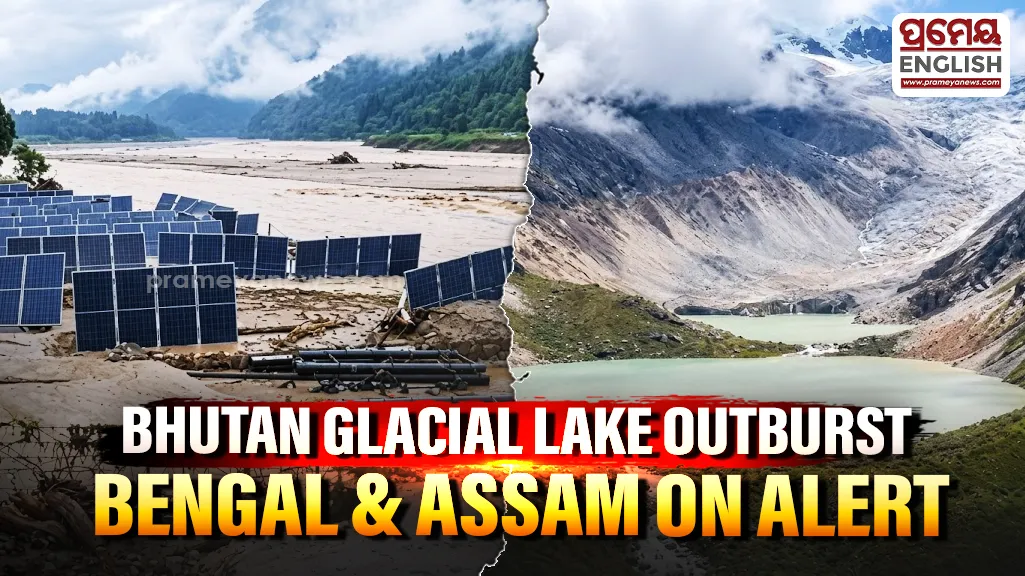
Glacial floodwaters from a recent Bhutan glacial lake outburst have prompted swift evacuations across bordering Indian districts and caused infrastructure damage upstream. Shintaphu Lake, situated below Wakila Mountain in the Gasa district, breached on Thursday evening. This sudden discharge sent debris downstream through the Mo Chhu and Punatsangchhu river basins, ultimately threatening the Sankosh River system.No casualties have been reported in Bhutan so far. However, floodwaters swept debris onto the Punakha-Gasa Highway and partially destroyed a newly installed solar irrigation facility in the Punakha region.Indian government officials quickly issued special advisories regarding a potential sharp rise in Sankosh River water levels. Floodwaters were projected to reach the international border within six to eight hours.West Bengal Forest Minister Manoj Kumar Oraon appealed to residents in the Alipurduar district to relocate as a precaution, estimating the surge could reach Kumargram rapidly. Similarly, Darjeeling Member of Parliament Raju Bista urged populations in the Terai and Dooars regions to move to higher ground immediately.
Also read: Cyclone Arnab wreaks havoc in Asika, thousands stranded in floodwaters
Relief operations underway
Disaster response teams, including National and State Disaster Response Forces, deployed to vulnerable areas like Tufanganj and Boxirhat near the border. Officials moved between 4,000 and 5,000 residents into 18 designated shelters, with total relocations exceeding 6,000 people.Alipurduar Superintendent of Police Amit Kumar Shaw confirmed that dry food, drinking water, and sanitation facilities are available at these relief centers. He advised locals not to panic but noted that a red alert remains active for the river system. Flowing water might carry concrete debris, dead fish, and large timber.Shintaphu Tsho is currently classified as one of 17 high-risk glacial lakes in Bhutan, reflecting the growing threat of climate-driven mountain hazards. Current reports indicate the primary flood transition phase has ended, leaving all relocated residents safe.
.webp)