

Puri, June 29: Snana Purnima, also known as Deba Snana Purnima, is one of the most significant festivals observed at the Jagannath Temple in Puri. Celebrated on the full moon day (Purnima) of the Hindu month of Jyestha, it marks the ceremonial public bathing of Lord Jagannath, Lord Balabhadra, Devi Subhadra and Sudarshan. The festival also signals the beginning of the annual Rath Yatra festivities.
Mangala Alati and Pahandi Bije
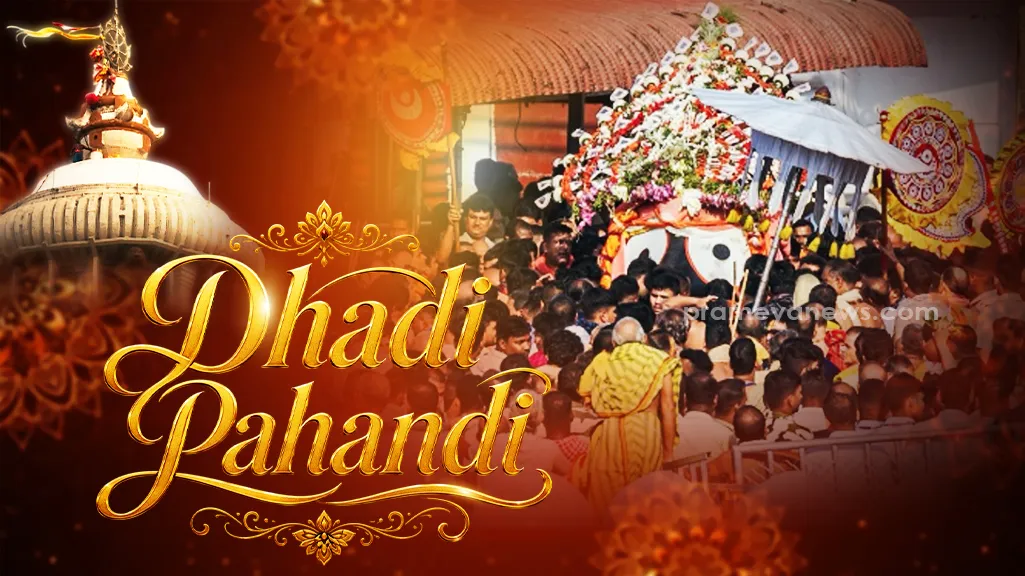
The rituals begin early in the morning with Mangala Alati and other daily temple rites. The deities are then brought out from the sanctum sanctorum to the Snana Mandap in a grand ceremonial procession known as *Pahandi Bije*. Accompanied by chanting of Vedic hymns, the beating of traditional instruments and the sounds of conch shells, the deities are carried in an elaborate procession by the temple servitors.
🔴LIVE NOW: Lord Jagannath Snana Yatra 2026 | Puri Snana Purnima Live Darshan
Sacred Bath with 108 Pots of Holy Water
The principal ritual of Snana Purnima is the ceremonial bathing of the deities with '108 pitchers (Suvarna Kalashas) of sanctified water'. The water is drawn from the temple's sacred 'Suna Kua' (Golden Well), located within the temple premises. The well remains covered throughout the year and is opened only for this annual ritual. The water is purified with Vedic mantras, aromatic herbs, sandalwood, camphor and fragrant flowers before being used for the holy bath.
Hati Besha (Elephant Attire)
After the ceremonial bath, the deities are adorned in the unique 'Hati Besha' or Gajanana Besha, where Lord Jagannath and Lord Balabhadra are dressed in the form of Lord Ganesha, while Devi Subhadra is decorated in a graceful elephant-inspired attire. This special adornment is offered only once a year and attracts thousands of devotees.
Anasara – The Period of Seclusion
Following the elaborate bathing ritual, the deities are believed to fall ill due to the heavy ceremonial bath. They are then taken to the 'Anasara Ghara' (isolation chamber), where they remain away from public view for about 15 days. During this period, temple physicians (Raj Vaidyas) symbolically treat the deities with traditional herbal medicines, fruits and special diets.
Netrotsava and Nabajauvana Darshan
At the end of the Anasara period, the deities undergo 'Netrotsava' the ritual of repainting and reopening their eyes. They then appear before devotees in their rejuvenated youthful form during 'Nabajauvana Darshan', just a day before the world-famous Rath Yatra.
Spiritual Significance
Snana Purnima is the only occasion in the year when devotees can have a public darshan of the deities on the Snana Mandap outside the sanctum sanctorum. The festival symbolizes purification, renewal and divine grace. It also marks the transition from the annual bathing ceremony to the grand chariot festival, drawing lakhs of devotees from across India and abroad to the holy city of Puri.