
.webp)

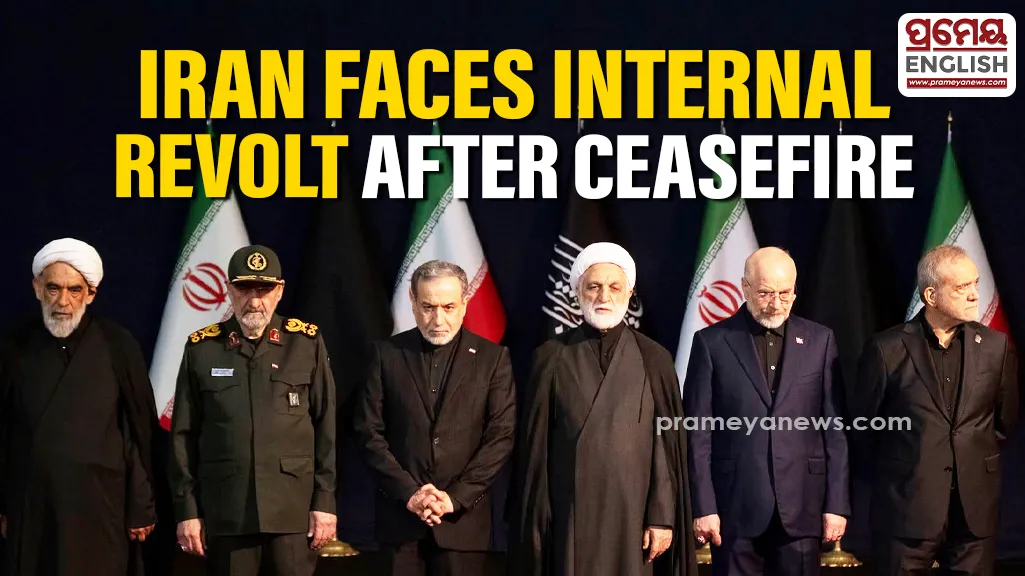
Internal divisions threaten Iranian stability following controversial Washington agreements
Radical political factions in Iran are directly accusing senior government officials of staging a silent takeover following a recent ceasefire agreement with Washington. This internal conflict is growing rapidly while new Supreme Leader Mojtaba Khamenei stays completely out of public sight, citing alleged security and health concerns.
Historically, sudden transitions of supreme power in Tehran create dangerous political vacuums that invite fierce factional battles for absolute national control. Frustrations boiled over recently during funeral ceremonies for former Supreme Leader Ali Khamenei in Tehran. Angry mourners chanted threatening slogans at President Masoud Pezeshkian. They also threw stones at Foreign Minister Abbas Araghchi, forcing him to leave the event. Hardliners label these visible leaders as traitors. They believe the government surrendered by choosing diplomacy instead of seeking military revenge for Ali Khamenei's death.
Radical Voices Demand Retaliation
Current visible leaders, including Parliament Speaker Mohammad Bagher Ghalibaf, face severe criticism from ultraconservative groups like the Endurance Front. These critics claim the acting administration is bypassing parliament and ignoring direct instructions from the hidden supreme leader. Outspoken lawmaker Mahmoud Nabavian recently warned Iranian citizens about an impending coup on social media. Shortly after making these claims, officials removed him from the National Security Commission. Experts suggest the current moderate administration is actively trying to push these radical voices out of national power.
Factional demands for direct military action are gaining dangerous strength as the fragile diplomatic truce breaks down. Recent maritime clashes in the Strait of Hormuz led to fresh American retaliatory strikes, further inflaming domestic anger. While political leaders fight for control in Tehran, hardline clerics demand immediate attacks on foreign military installations. Analysts maintain that the core government still desperately wants financial sanctions relief, but this growing domestic instability constantly threatens any lasting regional peace.
.webp)