


Bhubaneswar, Sept 5: A major crackdown on adulterated food products across Odisha had raised hopes of tighter food safety enforcement, but questions are now being raised over whether the drive has lost momentum ahead of the festive season.
The recent raids, which reportedly began in Cuttack and later spread to Bhubaneswar and other parts of coastal, southern and western Odisha, led to the seizure and destruction of large quantities of suspected adulterated chhena, paneer and other food products.
However, with Janmashtami over and Ganesh Puja and the festive season approaching, concerns over food adulteration have resurfaced. Residents and consumers are questioning whether regular inspections are being carried out in markets when demand for sweets and dairy products rises sharply during festivals.
Where are the food safety officers?
One of the biggest challenges appears to be the shortage of Food Safety Officers in the state.
According to the figures cited in the report, Odisha has only 71 Food Safety Officers for a population of around 4.5 crore. This effectively means roughly one officer for more than four lakh people.
Officials are required to inspect food markets as well as manufacturing and commercial establishments. They are also assigned other duties, leaving limited manpower for regular market inspections.
The shortage has consequently raised questions over how frequent and effective food safety raids can be when the available workforce is so limited.
₹2.80 crore fine collected
As per the data cited, around 350 kg of unsafe food products have been destroyed across different parts of Odisha so far, while 475 food samples have been collected for laboratory testing.
Authorities have also reportedly collected approximately ₹2.80 crore in fines in connection with food safety violations.
Bhubaneswar reportedly recorded the highest quantity of food products destroyed, at around 787 kg, while 61 samples were collected and fines totalling ₹68,500 were imposed in the area.
Despite these enforcement figures, residents claim that inspections are not taking place on the scale required, particularly during periods of high demand.
Fake chhena concern returns
Concerns over allegedly fake chhena have continued in Bhubaneswar. There are claims of suspected adulterated chhena being prepared in the Unit-4 area, with some suggesting that a raid there could reveal the alleged network.
The issue has become particularly significant ahead of the festive season, when demand for chhena-based sweets rises considerably.
Following the seizure of suspected fake chhena in recent raids, questions are also being raised about the quality of sweets being sold across the city.
In some places, senior members of the local dairy-producing community have reportedly stepped in to check chhena themselves in the absence of regular official inspections.
How much milk is needed to make chhena and paneer?
Senior businessman Dilip Behera said that producing one kilogram of chhena requires around five litres of milk, while approximately six litres of milk are required to make a kilogram of paneer.
He said even minor deviations in the process can affect the quality of the final product and stressed the need for inspections at the source.
Ghee under scanner
Questions have also been raised over the quality of ghee being sold in shops ahead of the festive season.
A woman, Shubhashree Mallik, alleged that some ghee purchased from shops produces thick black smoke when used to light lamps.
She questioned whether the product is genuine and called for proper testing.
Consumers have also pointed to a significant price difference. Some commercially sold ghee products are reportedly available for around ₹100–₹200, while ghee made from cow's milk can cost approximately ₹1,200–₹1,300 per kilogram.
However, the price difference alone does not establish whether a product is adulterated, making laboratory testing important.
Festival rush adds to food safety concerns
With Ganesh Puja and subsequent festivals approaching, demand for sweets and other offerings is expected to increase.
Apart from ghee, several shops selling religious offerings are reportedly selling items such as boondi, ukhuda and laddus. Consumers are questioning whether these products are being adequately checked for quality and safety.
The concern is not limited to one particular product. With increased festive sales, food safety officials face the challenge of monitoring a wide range of products across markets, sweet shops and manufacturing units.
Food Safety Officer admits staff shortage
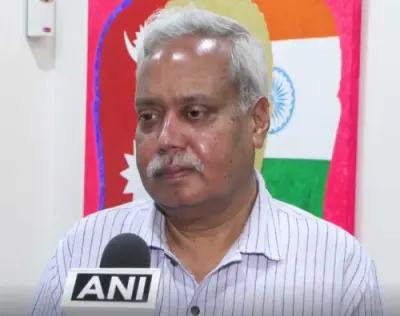
Senior Food Safety Officer Satyajit Patel said that enforcement activities are continuing despite the shortage of manpower.
“Raids are continuing. We are working with a limited number of staff. However, raids are not being conducted on holidays,” Patel said.
His statement has further highlighted the manpower challenge, especially when festive shopping peaks on weekends and public holidays.
The bigger question
The recent crackdown demonstrated that adulterated and unsafe food products remain a serious concern. But the larger challenge is ensuring that enforcement does not remain limited to short-term drives.
With the festive season approaching, consumers want regular inspections, laboratory testing, strict action against violators and adequate manpower.
The key question now is “Will Odisha's food safety enforcement remain active throughout the festive season, or will the crackdown fade away after the headlines?”