


Chinese President Xi Jinping plans historic India visit this September
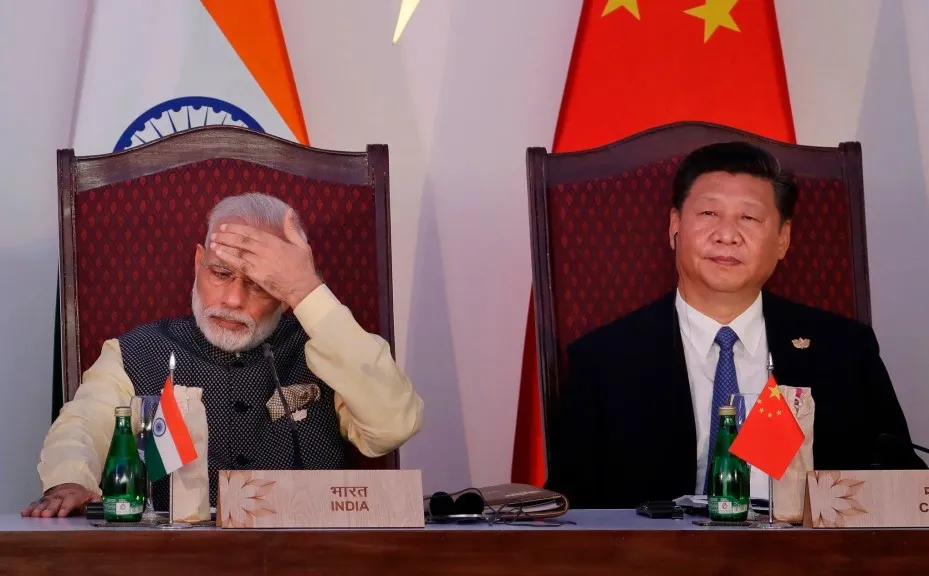
Chinese President Xi Jinping might travel to New Delhi for the BRICS Summit on September 12 and 13, marking his first Indian tour since 2019. This September trip represents a major diplomatic breakthrough following years of intense military standoffs sparked by the deadly Galwan Valley clash in June 2020. Xi has ruled China since 2013 and has visited India three times previously. He last toured the country in October 2019, just months before deep frictions along the Line of Actual Control (LAC) froze bilateral ties for nearly six years.
Restoring Diplomatic Channels
Both nations are actively accelerating their diplomatic engagements to prepare for this high-profile arrival. National Security Adviser Ajit Doval is preparing to visit China soon to conduct high-level strategic discussions, though officials are still finalising his exact travel dates. Furthermore, experts anticipate a crucial meeting of the Working Mechanism for Consultation and Coordination (WMCC) on India-China border affairs within the coming weeks.
Following these initial working groups, Special Representatives from both countries will sit down to address the long-standing boundary dispute directly. Both sides recently agreed to form fresh expert groups under the WMCC framework, making this upcoming dialogue highly significant. These technical consultations aim to stabilize daily border management while laying the necessary groundwork for wider political resolutions between the neighboring powers.
Navigating Global Geopolitics
Rebuilding strategic trust remains a core priority as New Delhi and Beijing work to prevent future border flare-ups and expand cooperation in sectors where their interests naturally align. Both Asian nations currently face shifting global headwinds, particularly adjusting to impending economic tariff policies from US President Donald Trump and growing security vulnerabilities tied to recent US military interventions across West Asia.
Xi attending the BRICS gathering carries heavy international weight far beyond the immediate economic grouping. Global observers will closely monitor the two-day summit for a potential one-on-one meeting between Indian and Chinese leaders. Such sideline talks would likely cover regional security, trade partnerships, economic integration strategies, and the complex boundary dispute that has defined their relationship recently. Resolving these localized friction points could chart a more stable future direction for one of Asia's most consequential bilateral relationships. Government officials in New Delhi and Beijing have yet to issue a formal announcement confirming the finalized schedule.