
.webp)


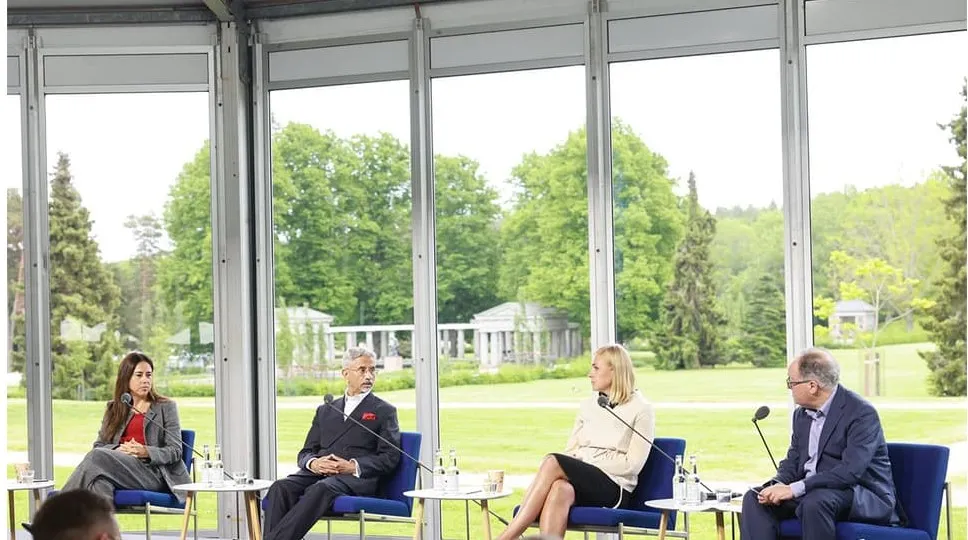
External Affairs Minister exposes Western security double standards
Indian energy procurement choices reflect national security interests and market realities rather than political favoritism. External Affairs Minister S Jaishankar strongly defended these choices at the Kultaranta Talks in Finland. Replying to allegations of being overly sympathetic to Russia through crude oil purchases, Jaishankar pointed out deep hypocrisies in Western foreign policy. He noted that European nations historically supplied weapons that threatened Indian security, while India has never endangered European stability.
Balancing Global Energy Markets
Market shifts forced New Delhi to alter its traditional supply chains when European buyers crowded Middle Eastern markets. This sudden shift in Western purchasing habits disrupted normal trade routes, prompting India to look for affordable alternatives. Interestingly, even Washington recognised the necessity of these actions back in 2022. United States officials actively encouraged New Delhi to buy Russian crude to prevent a severe spike in global inflation. This intervention kept energy costs manageable for developing countries.
Exposing Western Security Contradictions
|
India's Stance on Oil & Security |
Europe's Global Trade Approach |
|
Purchases crude based purely on cost and market availability |
Abandoned traditional oil sources to buy up Middle Eastern supply |
|
Maintains a peaceful footprint with zero threat to Europe |
Exports military hardware used to compromise Indian borders |
Diplomatic pressure often ignores the historical reality of South Asian defence challenges. Western critics frequently apply a selective moral framework to energy trade while ignoring their own arms export legacies. Jaishankar emphasised that Indian choices focus strictly on affordability and availability. Western sanctions created the exact market conditions that pushed India toward Russian supplies. By maintaining these purchases, India effectively stabilized global oil availability, showing that pragmatic economic decisions can coexist with a commitment to international equilibrium.
.webp)