



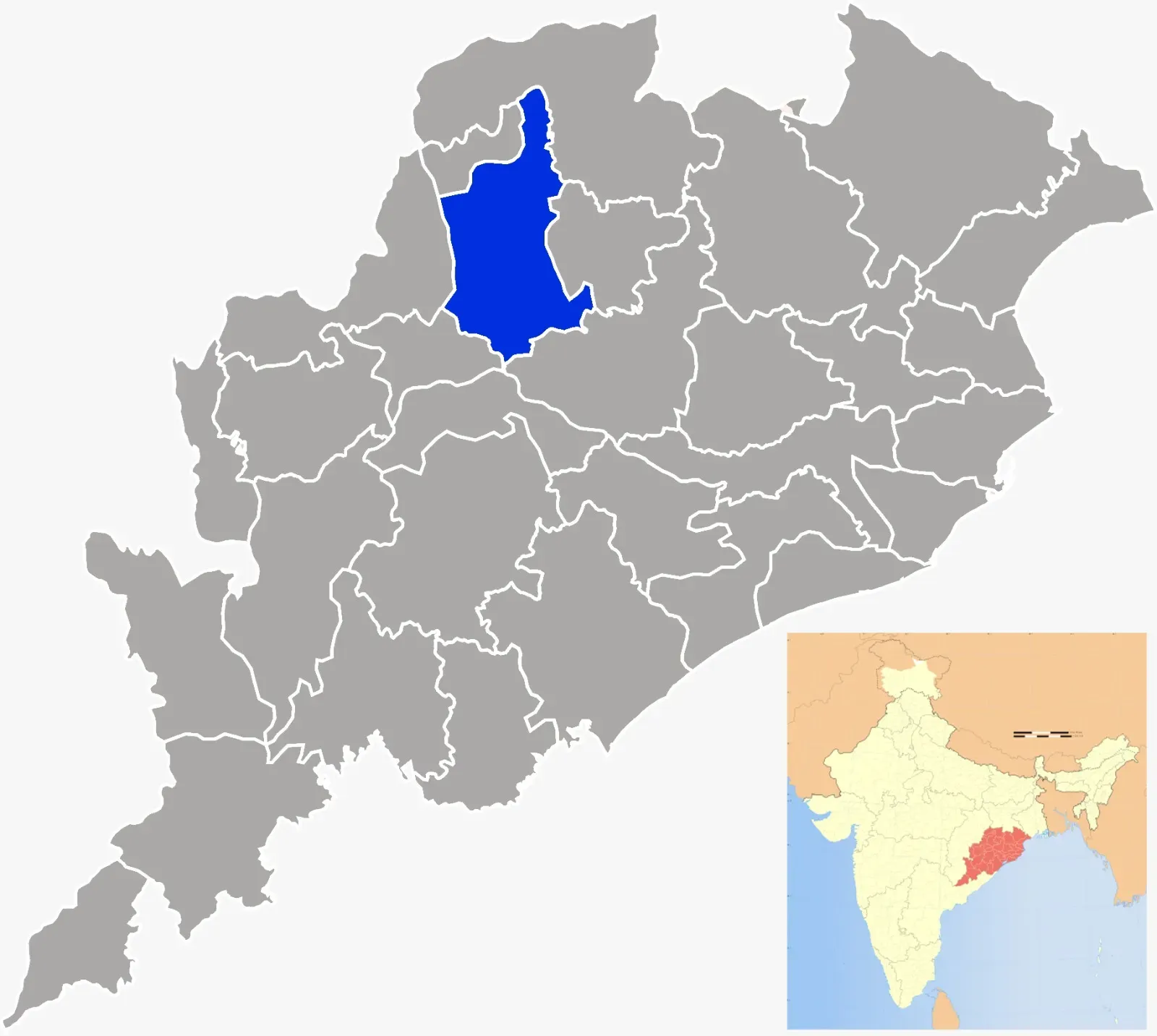
Sambalpur, Aug1: Renewed demands have emerged for granting constitutional recognition to the Sambalpuri language by including it in the Eighth Schedule of the Constitution, with scholars, historians and litterateurs asserting that the language represents not just a means of communication but a distinct civilisation and cultural identity.
Widely spoken by nearly two crore people across western Odisha and in parts of Chhattisgarh and Jharkhand, Sambalpuri is regarded as one of India's oldest living languages. Historians claim that traces of the language can be found in the ancient Buddhist Charyapada verses, highlighting its rich historical and literary heritage. Over the years, Sambalpuri has also earned national recognition, with several of its proponents receiving honours such as the Padma Shri, while the language and its culture have gained international visibility.
The demand for inclusion of Sambalpuri in the Eighth Schedule of the Constitution has existed since before the 1970s. The Odisha government had formally recommended its inclusion to the Centre around 2013-14, and the language continues to figure among those under consideration for constitutional recognition. However, despite more than a decade passing since the proposal was forwarded, no final decision has been taken, leading to growing disappointment among language activists.
Historian Deepak Kumar Panda said successive governments have repeatedly promised constitutional recognition for Sambalpuri in their election manifestos, but the commitment has remained unfulfilled. He maintained that the language's presence in the Buddhist Charyapada literature itself establishes its historical significance and strengthens its claim for inclusion in the Eighth Schedule.
Language researcher and noted litterateur Dr. Shyamsundar Dhar also expressed concern over the delay, stating that although the state government recommended Sambalpuri for recognition over 12 years ago, no concrete action has followed. He further urged the Odisha government to accord Sambalpuri the status of a second language in the state.
Renowned writer and author of Sambalpuri grammar Muktakantha Pradhan described Sambalpuri as a symbol of the civilisation and cultural identity of western Odisha, saying it has played a significant role in taking Odisha's rich cultural traditions to national and international platforms. He stressed that the language deserves greater institutional support and recognition.
Echoing similar views, Kshetramani Bihara, editor of the literary organisation Kalam, said Sambalpuri possesses all the linguistic, literary and cultural attributes required for constitutional recognition. He noted that despite sustained public campaigns, state government recommendations and inclusion in the Centre's list of proposed languages, the continued delay in granting official recognition remains unfortunate.
With long-standing demands once again gaining momentum, scholars and cultural organisations have urged the Union government to expedite the process and grant Sambalpuri its long-awaited place in the Eighth Schedule of the Constitution.