

.webp)

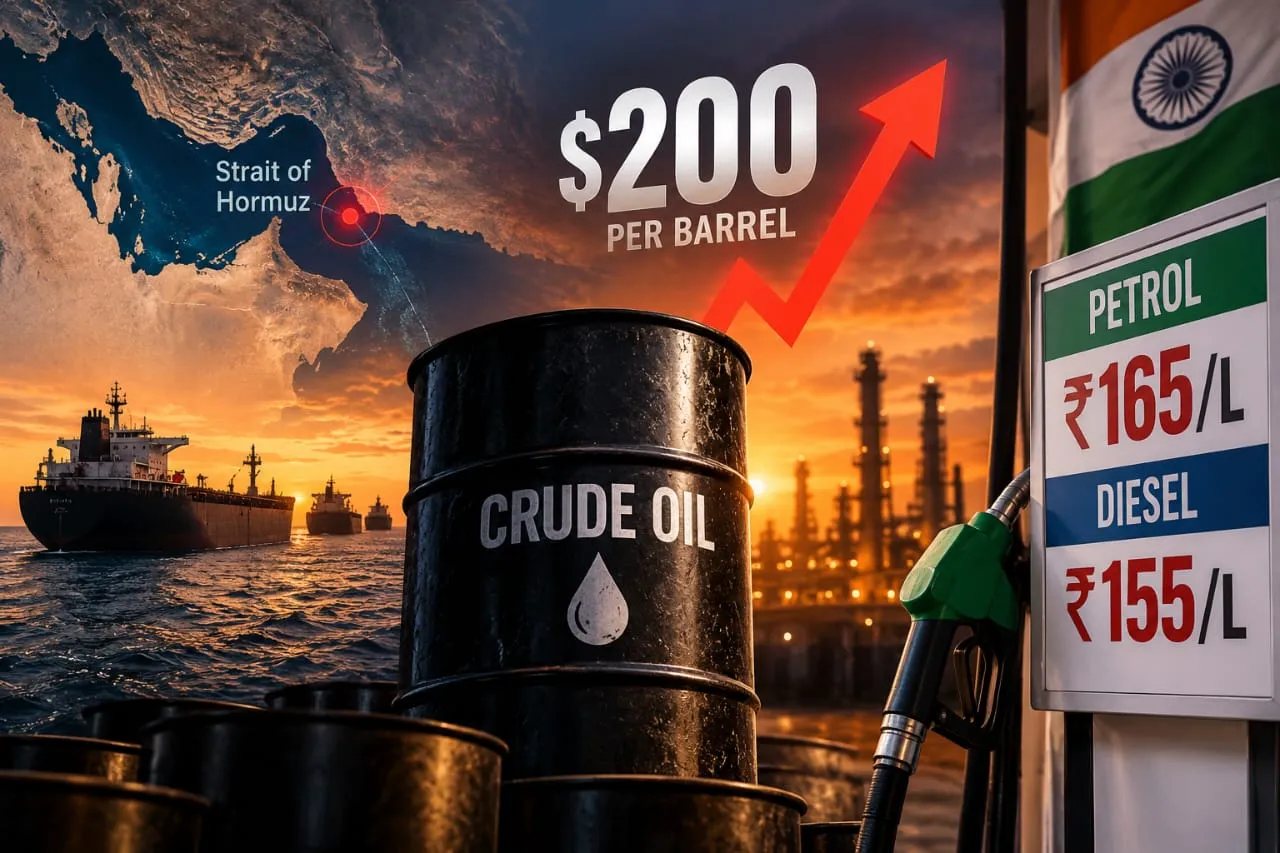
New Delhi, Oct 9: Fears of a conflict around the Strait of Hormuz have intensified concerns over oil prices. Vitol CEO Russell Hardy has warned that crude oil prices could soon reach $200 per barrel if disruptions to oil supplies from West Asia worsen. The depletion of available oil reserves in Western countries and increasing attacks on oil tankers near the Strait of Hormuz have added to these concerns. On Thursday, Brent crude rose 4.1% to close at $104.28 per barrel.
Russell Hardy, CEO of Vitol Group, one of the world's largest independent oil trading companies, discussed the potential risks facing the oil market at the Energy Intelligence Forum in London. According to Hardy, oil inventories available for consumption in Western countries are already very low. Under these circumstances, uninterrupted oil supplies from the Middle East are crucial. However, the $200-per-barrel figure represents a potential risk scenario rather than a definite forecast.
How is oil trade being conducted through the Strait of Hormuz?
The ship-to-ship transfer process is playing a significant role in maintaining oil supplies from the Middle East. Under this arrangement, smaller tankers transport oil through the Strait of Hormuz and transfer it to larger tankers in the Gulf of Oman.
According to Hardy, approximately 14 million barrels of crude oil and petroleum products have been shipped out of the Middle East daily over the past seven to ten days. The biggest concern for the oil market is the safety of vessels operating around the Strait of Hormuz. Attacks and threats against tankers travelling through this route have severely disrupted maritime traffic.
According to reports, crude oil flows through the strait have declined by 27% from previous levels, falling to a low of 10.1 million barrels per day. If supply disruptions persist, prices of crude oil, diesel, jet fuel and other petroleum products could surge sharply. Damage to Russia's energy infrastructure and disruptions to refining operations in the Middle East could prolong the supply shortage into the winter.
What will be the impact on India?
India is already purchasing crude oil at prices higher than Brent benchmarks, according to the report. If Brent and West Texas Intermediate (WTI) crude prices reach $200 per barrel, the price of India's crude oil basket could potentially rise to between $225 and $250 per barrel. Such a development could put severe pressure on the Indian rupee and the broader economy.
According to an estimate cited in the report, if crude oil prices reach $200 per barrel, petrol prices in India could climb to ₹165 per litre, while diesel prices could rise to ₹155 per litre. Under such circumstances, oil marketing companies could have little choice but to increase retail fuel prices to offset the higher cost of crude oil.
.webp)