China Proposes New 4 Point Security Strategy to Resolve Middle East Tensions
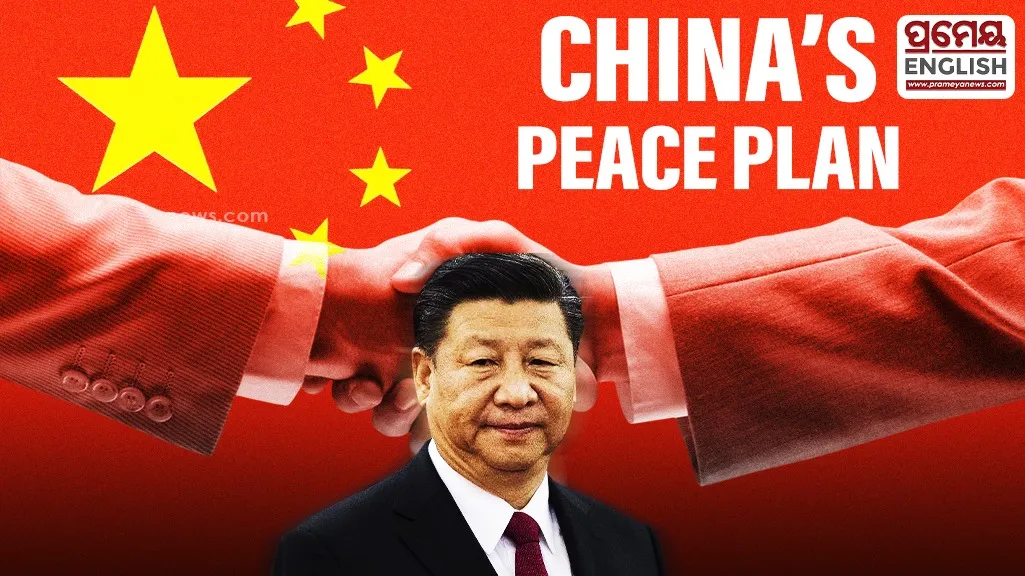
President Xi Jinping’s new four-point proposal emphasizes sovereignty and international law to stabilise the Middle East. This strategic move strengthens China’s growing influence as a primary mediator in Gulf diplomacy.
Published By : Satya Mohapatra
| April 14, 2026 12:57 PM
President Xi Jinping advocates for Middle East security stability
Chinese President Xi Jinping presented a fresh four-point diplomatic framework to restore stability across the Middle East during a high-profile meeting in Beijing today.While hosting Sheikh Khaled bin Mohamed bin Zayed Al Nahyan, the Crown Prince of Abu Dhabi, Xi called for a "common and sustainable" security architecture to prevent the region from descending into further chaos.
Adherence to peaceful coexistence serves as the first pillar of this initiative. China insists that regional powers must move away from zero-sum mentalities. The second point focuses on national sovereignty, urging full respect for the territorial integrity of all Gulf nations.Xi warned that protecting international law is vital to prevent a global return to the "law of the jungle," marking the third pillar.Finally, the proposal links economic development with security, suggesting that financial growth is the only permanent solution to radicalization and conflict.
Historical records show that China has consistently increased its mediation role in the region since brokering the 2023 Iran-Saudi Arabia rapprochement, signaling a shift toward Beijing-led diplomacy in traditionally Western-influenced zones. This latest move coincides with Russian Foreign Minister Sergey Lavrov’s arrival in Beijing, suggesting a coordinated effort by Eastern powers to influence Middle Eastern outcomes.
Promoting Regional Sovereignty
Respecting the independent choices of Middle Eastern nations remains a core theme of the Chinese approach.Xi emphasized that the safety of personnel and critical infrastructure must be guaranteed by all parties involved.
Sustainable Security Architecture
Beijing seeks to move beyond temporary ceasefires by establishing a cooperative framework. This involves multilateral dialogue rather than unilateral military intervention. By coordinating development with security, China aims to create a favorable environment for long-term regional prosperity.


.webp)


.webp)