


Warnings ignored as digital grading system triggers nationwide panic
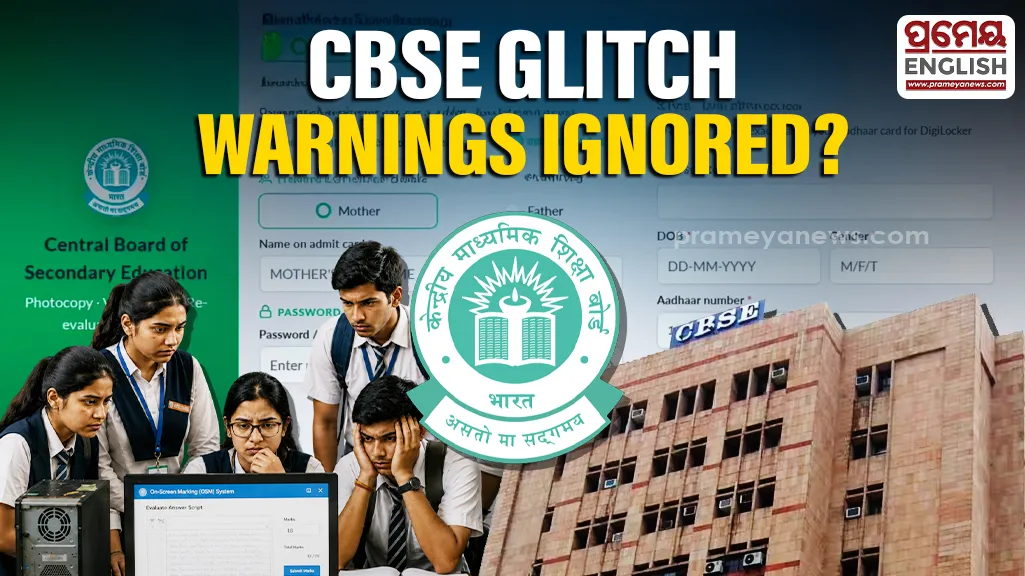
Internal evaluation documents reveal that the Central Board of Secondary Education went ahead with its new digital evaluation framework despite clear warnings from its own trial panel. A three-day dry run conducted in January exposed severe technical flaws, yet the platform was deployed for the high-stakes Class 12 examinations. This forced implementation has culminated in widespread scoring discrepancies, legal intervention, and a sudden leadership shakeup at the highest levels of school education governance.
Damning Trial Reports Disregarded
Problems emerged almost immediately during the mid-January pilot project involving five prominent schools in New Delhi. According to official sources, subject experts and evaluators logged dozens of structural faults that remained unresolved by the end of the trial. Software testing notes highlighted that manual mark increases by examiners were erroneously registered as negative deductions. Furthermore, the platform experienced frequent system freezes when teachers attempted to modify scores, and it failed to automatically preserve grading progress during active sessions.
Operational vulnerabilities extended to baseline assessment mechanics. The software occasionally forced half-mark allocations where standard rubrics prohibited them, or it omitted specific sub-questions entirely from the interface. Most critically, reviewers warned that the interface allowed marks to be assigned to blank, unattempted answer pages. Despite receiving a follow-up report documenting thirty-six explicit technical and systemic threats, administrative leadership prioritized immediate deployment over technical rectification.
Administrative Fallout and Public Backlash
Consequences of the rushed transition visible on May 13 when the national board announced graduation results. Thousands of final-year scholars immediately reported severe inconsistencies, citing ungradable blurry scans, unchecked pages, and complete page mismatches where individuals received marks based on scripts they did not write. The escalating crisis prompted a public interest petition in the Delhi High Court demanding an independent judicial investigation into procurement, software stability, and failed institutional grievance mechanisms.
|
Glitches Flagged in January Trial |
Glitches Flagged in January Trial |
|
Score additions registered as negative mark deductions. |
Unchecked answers and erratic total point calculations on scripts. |
|
Interface permitted scoring on completely blank pages |
Mismatched student identities and grading of wrong answer blocks. |
|
Software stability failed during standard user correction inputs. |
Blurry, unreadable digital script copies sent to applicants. |
Response from the central government arrived late Tuesday evening with the immediate removal of Chairman Rahul Singh and Secretary Himanshu Gupta from their executive positions. While institutional literature claims patch modifications solved database stability and added manual save functions before full deployment, the widespread distribution of flawed records contradicts these internal assurances.