

.webp)

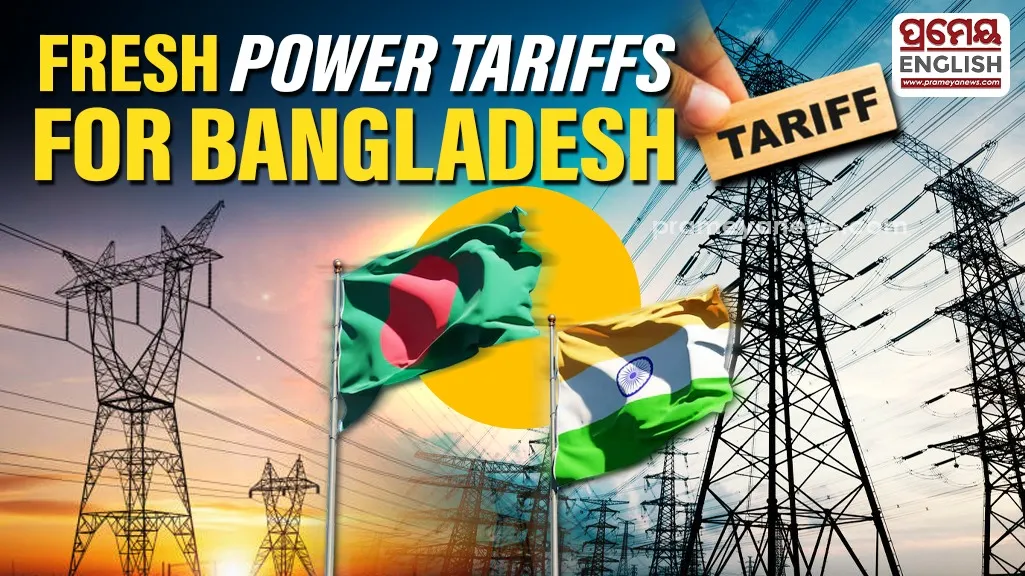
India introduces fresh grid fees on Dhaka energy imports
India is currently advancing a new financial framework for its energy exports to Bangladesh, proposing a Settlement Nodal Agency fee of 0.005 Indian rupees per unit. Any delay in executing this cross-border power trading agreement could disrupt 1,160 megawatts of critical electricity flowing into Dhaka, causing severe operational setbacks. Bangladesh heavily relies on Indian electricity to support its domestic grid during ongoing local fuel shortages and economic uncertainties. Initially, India requested one paisa per unit, but the Bangladesh Power Development Board successfully negotiated the rate down to half a paisa. This extra charge remains entirely separate from standard energy tariffs. It specifically funds daily grid operations, energy accounting, technical metering, and complex supply scheduling required for uninterrupted delivery. On August 18, local power division officials formally asked their finance ministry for clearance to sign the impending document.
Regional Grid Integration Efforts
India already applies this identical tariff structure to its power trade with Nepal and Bhutan, positioning New Delhi as a central hub for South Asian energy distribution. If Dhaka imports its full 1,160 MW quota continuously, this newly applied rate would cost 5,800 Indian rupees every hour. State-owned entities, including NTPC Vidyut Vyapar Nigam Limited, closely manage these specific supply chains to maintain grid stability. Currently, this capacity draws from five separate grid arrangements across multiple Indian states, operating entirely independent of other existing corporate supply lines.
Potential Supply Network Disruptions
Without a signed Settlement Nodal Agency contract, Dhaka faces severe logistical complications for future power imports. Central Electricity Regulatory Commission rules dictate that this specific mechanism must be permanently active to settle international power transactions efficiently. Regional energy experts note that while the per-unit fee appears mathematically tiny, the cumulative long-term financial impact will add noticeable costs to Bangladesh’s already strained national energy budget. Rapid administrative authorisation from Dhaka's finance division remains crucial to keeping these essential cross-border power transmission channels functioning smoothly over the coming decade.
.webp)