
.webp)


Eid bringing ultimate redemption for Kerala death row survivor
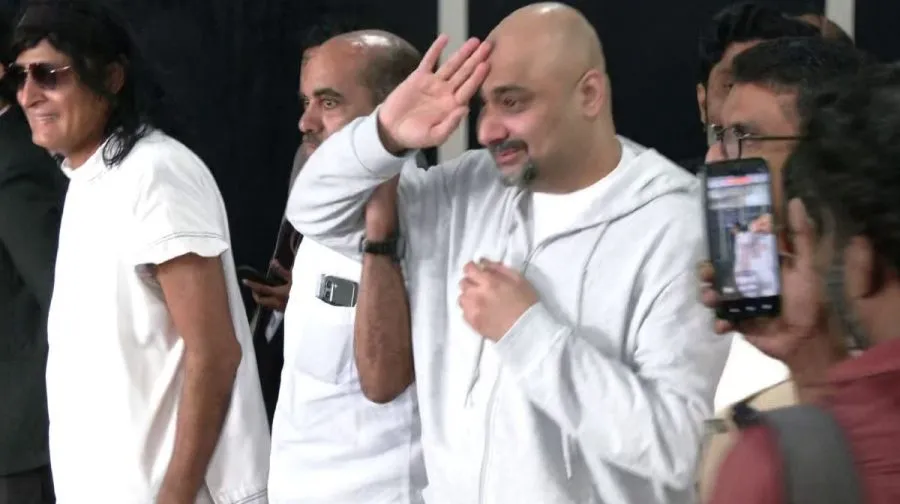
Kozhikode airport witnessed emotional scenes on Thursday morning as Abdul Rahim touched down on Indian soil, completing a twenty-year nightmare that nearly ended at the gallows. Arrested in Riyadh just 28 days after his arrival in late 2006, the former autorickshaw driver faced execution following the accidental death of a paralyzed teenager under his care. His return coincided perfectly with Eid celebrations, turning a long-standing family tragedy into a festival of profound relief.
Trouble began on December 24, 2006, when a breathing support device attached to his employer's 17-year-old son became uncoupled while Rahim was driving. Saudi courts handed down a death sentence in 2011, which higher legal authorities subsequently upheld. For the family in Feroke, years dragged on under the constant threat of execution. The turning point arrived when the victim's relatives agreed to a pardon in exchange for blood money totaling Rs 34 crore.
Ordinary workers, expatriate associations, and global citizens joined forces to raise the astronomical sum, which remained far beyond the reach of Rahim's impoverished relatives. This cross-border mobilization represents one of the largest community-driven rescue operations in Indian migration history. While non-resident Indians frequently support distressed workers in the Gulf region through informal networks, this particular fundraising drive set a new precedent for scale and speed.
Saudi authorities eventually nullified the execution order upon receiving the compensation. They mandated that Rahim serve out a 20-year sentence calculated via the local calendar, which concluded this month. Step-by-step coordination between diplomats and community leaders ensured his smooth transit on an exit visa, allowing an elderly mother to finally embrace her youngest son after decades of separation through video screens.
.webp)