
.webp)



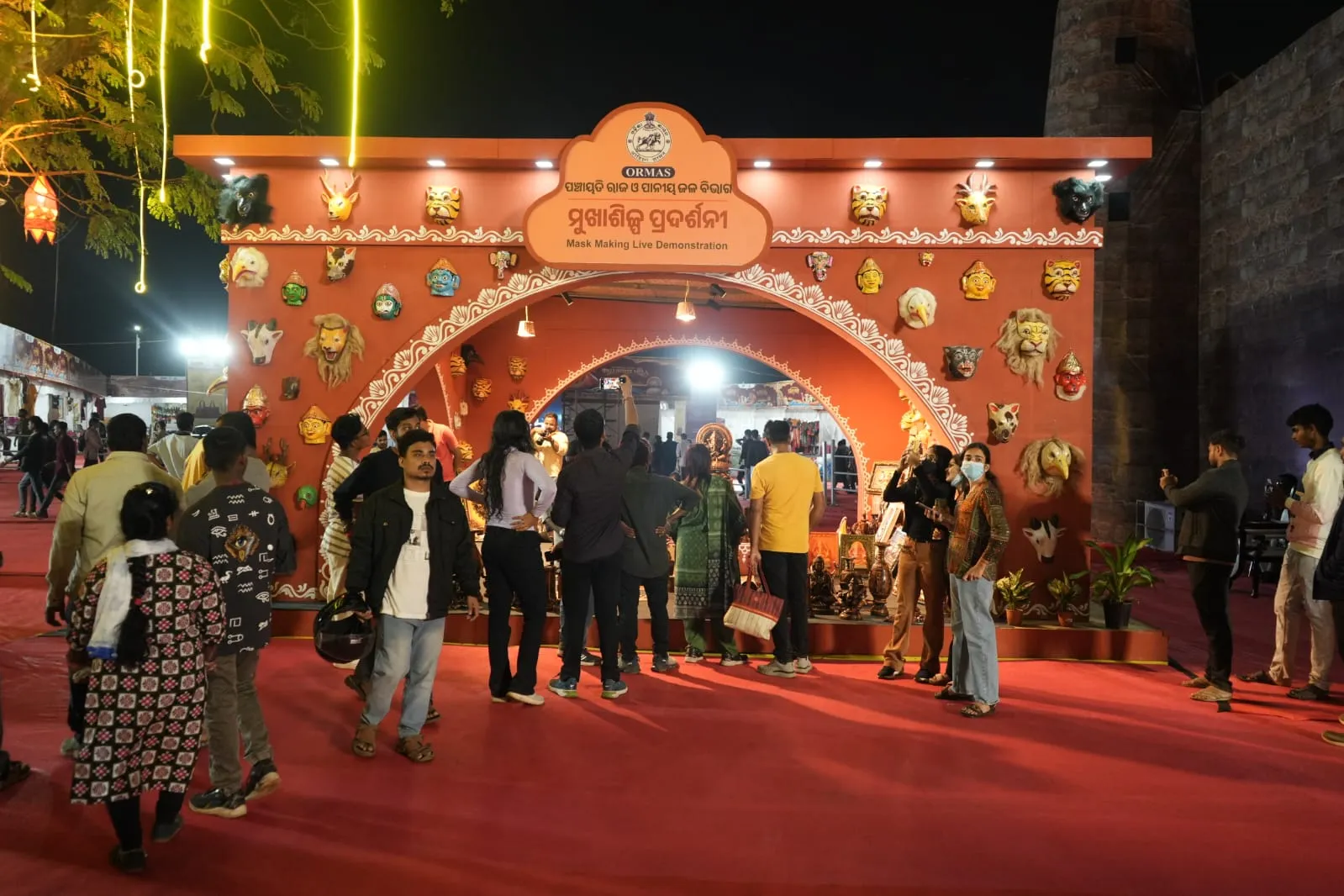
KATAK, November 25: From the colourful Chandua of Pipili to the aromatic Kalajeera rice of Koraput, Odisha’s rich rural heritage and craftsmanship are on full display at the National-Level Pallishree Mela-2026, organised by the Odisha Rural Development and Marketing Society (ORMAS) as part of the historic Bali Jatra on the banks of the Mahanadi.
With 546 stalls featuring products from all 30 districts of Odisha and 22 states across the country, the annual rural trade fair has emerged as a major attraction for visitors seeking traditional handicrafts, handloom products, indigenous food and locally made goods.
Also Read: Indian Air Force gears up for sharpened Tejas Mk1A fighter with AESA radar and electronic shield
A major highlight of this year's event was the visit of President Droupadi Murmu to the ORMAS stalls during the inauguration ceremony on Tuesday. The President interacted with women members of Self-Help Groups (SHGs), appreciating their efforts in promoting rural enterprises and preserving traditional craftsmanship. Odisha Governor Shri Brajamohan Ram and Chief Minister Mohan Charan Majhi were also present on the occasion.
The sprawling exhibition provides a common marketplace for Self-Help Groups, Producer Groups, Producer Companies and Farmer Producer Organisations, offering rural entrepreneurs an opportunity to showcase their products before a large consumer base.
Of the total stalls, 120 have been allotted to SHGs and producer organisations from outside Cuttack district, while 80 stalls represent the host district. NABARD has set up 40 stalls showcasing rural enterprise initiatives, while 30 stalls feature micro, small and village industries promoted through District Industries Centres. The Khadi and Village Industries Commission (KVIC) has 10 stalls, while TRIFED has provided 20 stalls for tribal artisans and their traditional products. Dedicated food stalls serving regional cuisines and traditional delicacies further add to the attraction.
The exhibition reflects the cultural and commercial diversity of Odisha. Visitors can explore Pipili's renowned Chandua appliqué work, Koraput's prized Kalajeera rice, Berhampur's pickles and papads, Kendujhar's Paper Mache products, Kalahandi's woodcraft and Sonepur's terracotta creations. Traditional handloom, handicrafts, spices and indigenous food products from different regions are also drawing attention.
Live demonstrations of terracotta and Paper Mache craftsmanship provide visitors with an opportunity to witness artisans at work and understand the traditional skills and painstaking processes behind these creations. The demonstrations also highlight the importance of preserving indigenous art forms while creating sustainable livelihood opportunities for rural artisans.
Speaking on the occasion, Rural Development, Panchayati Raj and Drinking Water Minister Rabi Narayan Naik said that every product displayed at the fair represented the hard work, skills and cultural heritage of rural communities.
"These products reflect our people's hard work and heritage. Through ORMAS, our endeavour is to connect them with bigger markets, as bigger markets bring wider opportunities to rural households," he said.
Over the years, Pallishree Mela has become an integral part of Odisha's major fairs and festivals, including the Rath Yatra in Puri, Bali Jatra in Cuttack and various district-level mahotsavs. Through these exhibitions, ORMAS has been creating market linkages for rural producers by taking their products directly to places with high public footfall.
For women-led SHGs, artisans, farmers and grassroots entrepreneurs, the platform offers benefits beyond immediate sales. Direct interaction with customers helps producers understand changing market preferences, improve product quality and presentation, and establish business connections that can extend beyond the fair.
.webp)