
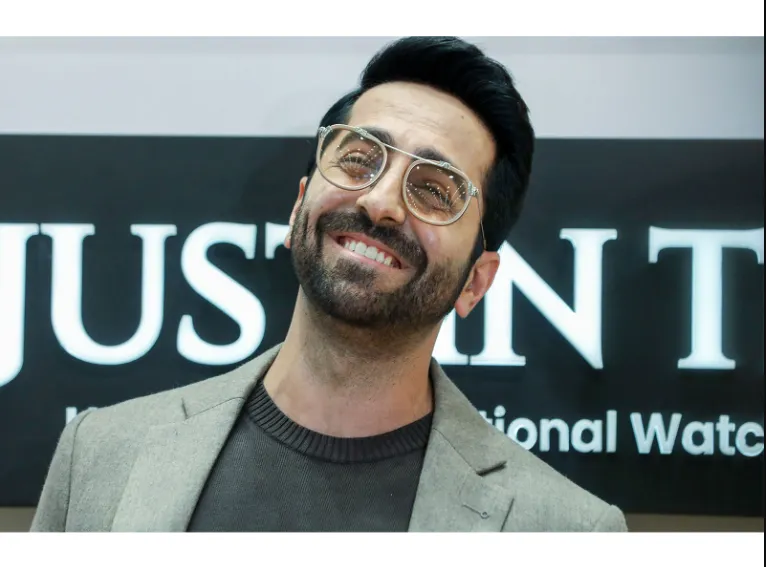
Mumbai, March 17: Actor-singer Ayushmann Khurrana has tapped into nostalgia, unveiling a fresh rendition of his popular song 'Saddi Galli'.
Taking to his Instagram handle, Ayushmann shared a video of himself where he can be seen singing the new version while also playing the guitar.
"Been seeing a lot of you guys creating videos and sharing your memories with my music all over social media these past few days. It made me nostalgic as well, so I decided to share an unheard verse of Saadi Galli that didn't make it to the original," Ayushmann wrote.
The actor also teased fans about delivering more musical pieces in the year as he added, "P.S.: will sing more this year."
The video quickly gained traction, leaving fans delighted as many rushed to the comment section and cheered for the actor. Many even expressed their anticipation for more songs in the future.
Ayushmann Khurrana's music has always held a special place in the hearts of his fans, right from his first film 'Vicky Donor', which featured the song 'Paani Da Rang'. Since then, he went on to belt songs like Mitti Di Khushboo, Ik Vaari, Saadi Galli and more.
The rendition of 'Saddi Galli' came amid a noticeable surge in fans revisiting Khurrana's earlier music catalogue, with several of his old songs also resurfacing across social media, with some referring to it as "Ayushmann Khurrana era".
On the work front, Ayushmann will be next seen in 'Pati Patni Aur Woh Do', which is set to release on May 15, 2026.
The upcoming film stars Ayushmann Khurrana, Sara Ali Khan, Rakul Preet Singh, and Wamiqa Gabbi in lead roles. The story will follow a fresh set of characters and situations. Director Mudassar Aziz, who also helmed the first film, is back to direct the sequel.
The comedy will be produced by Bhushan Kumar and Renu Ravi Chopra, with Juno Chopra serving as the creative producer. (ANI)