
.webp)

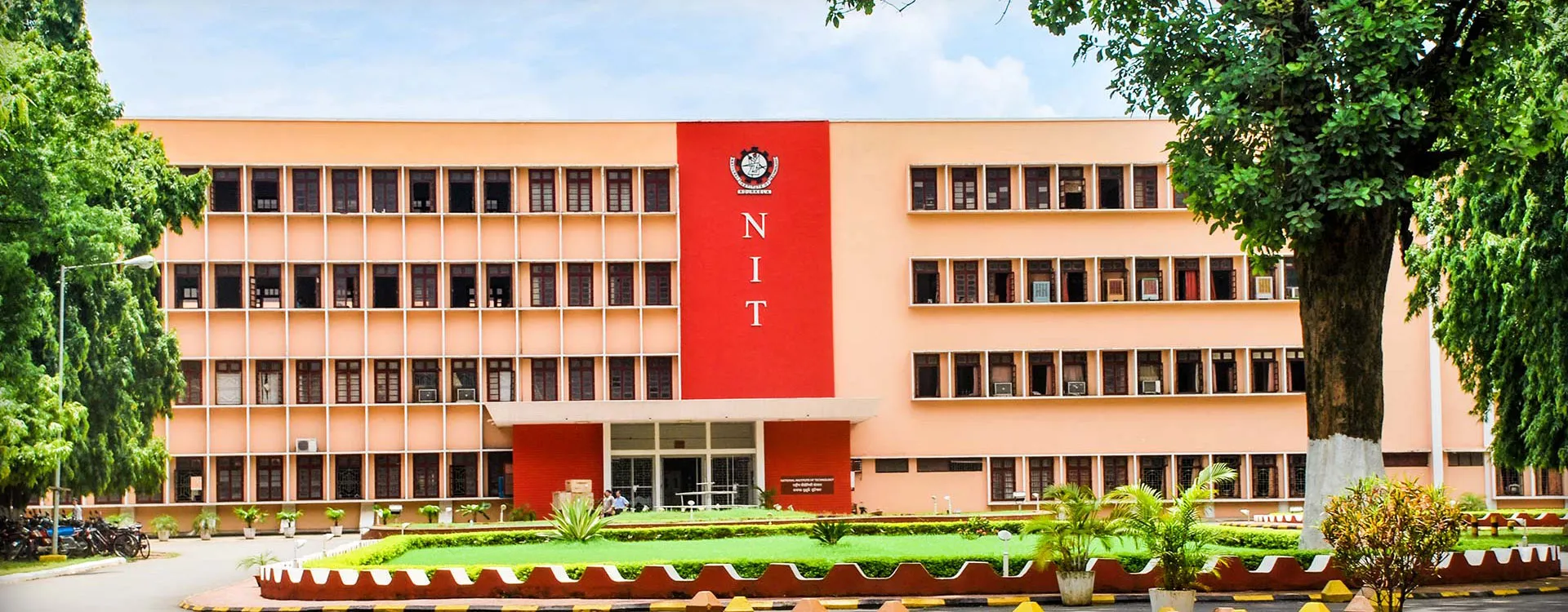
Bhubaneswar, Oct 8: As many as 29 faculty members and one research graduate of the National Institute of Technology Rourkela (NIT Rourkela) have been featured in the World's Top 2% Scientists List created by Stanford University and published by Elsevier and released via the Elsevier Data Repository.
The list is prepared by Prof. John P. A. Ioannidis of Stanford University, USA, and his team. It ranks the top 100,000 scientists (or those in the top 2% or above percentile of their respective sub-field) using a composite indicator that accounts for total citations, co-authorship adjustments, and author positions for both career-long and single-year impact.
The database ranks scientists using citation data. It looks at how often their papers are cited, their h-index (a number that shows how much good research a person has published), and how much they contributed as an author on each paper. It also gives each scientist one overall score and helps to recognise how much influence a researcher's work really has.
The NIT Rourkela researchers featured in the list represent a wide spectrum of disciplines, including Life Sciences, Metallurgical and Materials Engineering, Mathematics, Chemical Engineering, Biotechnology and Medical Engineering, Humanities and Social Sciences, Ceramic Engineering, Food Process Engineering, Electronics and Communication Engineering, Physics and Astronomy, Civil Engineering, and Mining Engineering, among others.
Speaking about the achievement, Prof. K. Umamaheshwar Rao, Director, NIT Rourkela, said, “This recognition of 29 of our faculty members among the world's top 2% of scientists is a proud moment for NIT Rourkela. It reflects the quality, consistency and global relevance of the research being carried out at the Institute. I congratulate all the scientists for their dedication and commitment to advancing knowledge, and I am confident that their work will continue to inspire our students and young researchers.”
In addition to the 30 researchers featured, 19 researchers have also been featured among the Stanford Top 2% Scientists 2026 in the Career-long category, reflecting their sustained contributions and impact in research and academia.
.webp)