

Delivery apps drop 10-minute delivery promises to protect gig workers from road risks
Government mandates safer working conditions for India's growing delivery workforce
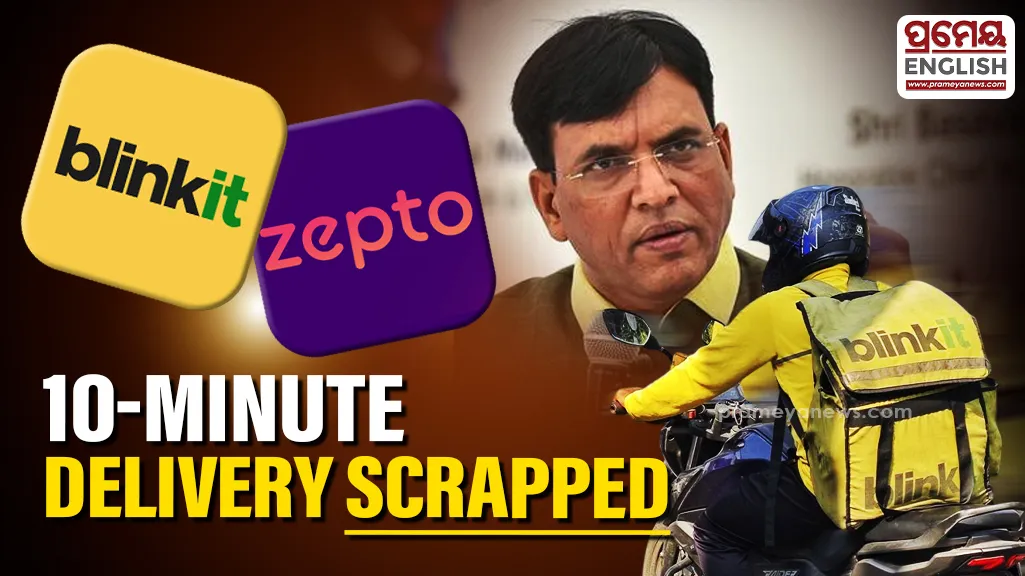
India’s rapid "quick commerce" landscape is undergoing a major shift as leading platforms move away from their signature lightning-fast delivery promises. Under pressure from the Union Government, companies like Blinkit, Zepto, Swiggy, and Zomato have agreed to stop promoting the controversial 10-minute delivery model.
This decision follows a series of high-level discussions led by Union Labour Minister Mansukh Mandaviya. The Minister expressed deep concerns that rigid, ultra-fast timelines create extreme pressure on delivery partners, frequently leading to traffic violations and serious safety risks. During these meetings, officials urged the firms to prioritize the physical well-being of their riders over marketing gimmicks.
The change comes on the heels of significant unrest within the gig economy. On December 31, 2025, delivery workers across the country went on strike to protest against low wages and the hazardous conditions created by strict delivery windows. Many riders reported that the "10-minute" promise forced them to take unnecessary risks on the road just to meet company targets.
In response to the government's intervention, these multi-billion dollar companies have committed to removing specific delivery-time commitments from their advertisements, social media campaigns, and branding materials. While fast delivery remains a core part of their business, the focus is shifting toward a more sustainable and safer approach for the workforce.
The move also reflects a broader national trend toward regulating the gig economy. States like Rajasthan, Karnataka, and Jharkhand have already introduced legislation to provide social security and grievance mechanisms for these workers. As the sector continues to grow—providing essential jobs for many, including a rising number of women—the balance between consumer convenience and worker safety has become a top priority for the Centre.
Image Source: ANI