
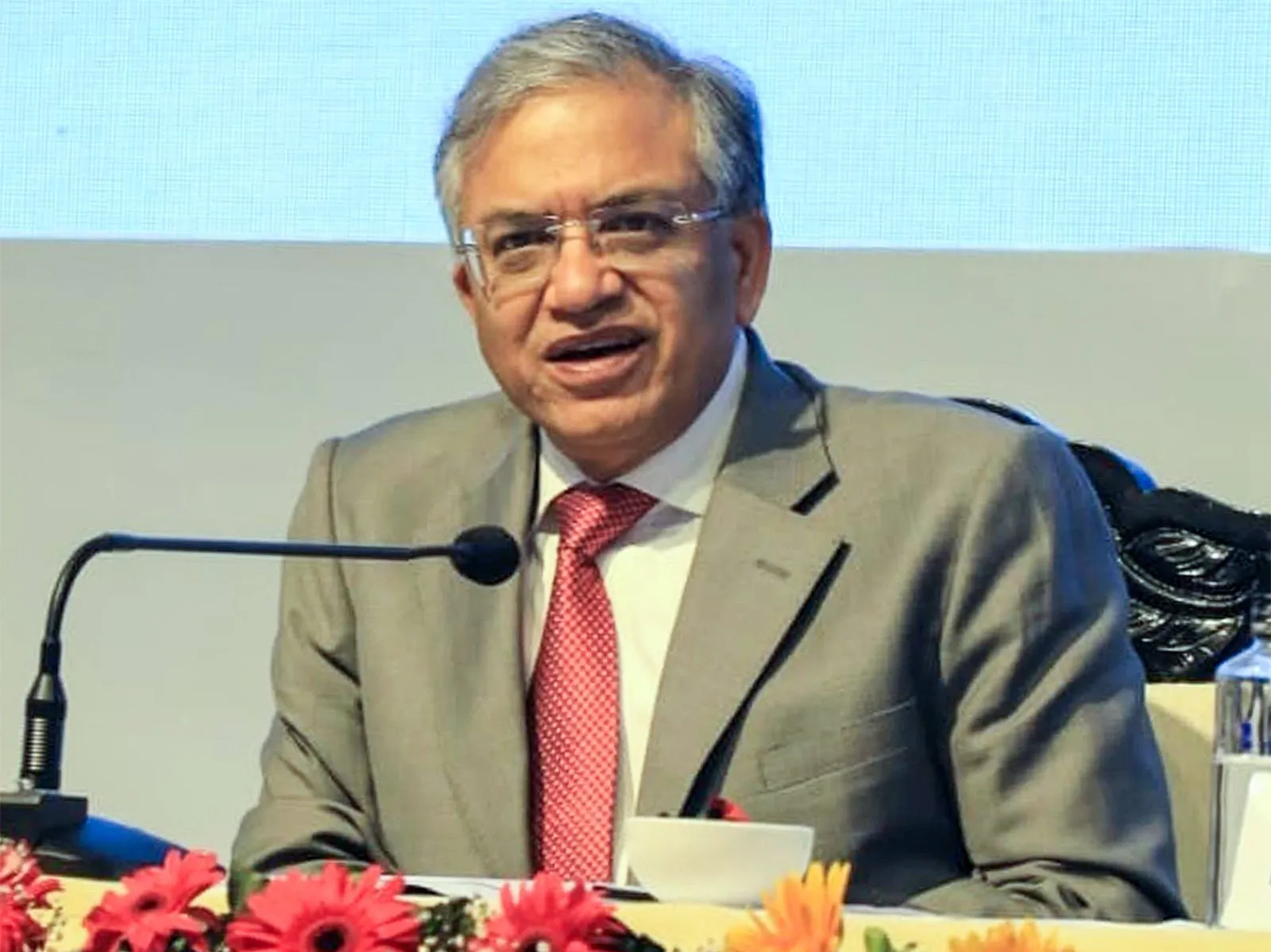
New Delhi, March 13: The Trinamool Congress (TMC) will move an impeachment motion against Chief Election Commissioner (CEC) Gyanesh Kumar in both Houses of Parliament on Friday, sources said.
A total of 128 opposition MPs in the Lok Sabha and 63 MPs in the Rajya Sabha have signed a motion seeking the removal of the CEC Gyanesh Kumar, sources in the Trinamool Congress said yesterday.
The Chief Election Commissioner can be removed only through the same procedure and on the same grounds as a judge of the Supreme Court, as stated in Article 324(5) of the Constitution.
The motion must be signed by 100 members in the Lok Sabha or 50 members in the Rajya Sabha.
Trinamool MP Kalyan Banerjee said that MPs from Congress, Samajwadi Party, DMK, and NCP(SCP) have signed the motion. He said, "The decision to bring the impeachment motion was taken by our leader, Mamata Banerjee. We have brought the motion. We have signed it, the Samajwadi Party has signed, Congress has signed, Sharad Pawar's party has signed, DMK has signed, everyone has signed it."
Yesterday, Trinamool MP Saugata Roy told ANI that the party is preparing an impeachment motion against the Chief Election Commissioner.
He said, "We are preparing an impeachment motion against the Chief Election Commissioner. More than 100 MPs are supporting us. We might submit it today. The Opposition will be seen united on this."
Roy also addressed the recent rejection of a no-confidence motion against the Lok Sabha Speaker Om Birla, expressing his disappointment.
He said, "I think it was a chance to raise our complaint against the Speaker and the functioning of Lok Sabha as a whole."
The impeachment motion comes amid TMC's allegations of Gyanesh Kumar working at the behest of the ruling BJP while conducting the Special Intensive Revision (SIR) in West Bengal. After contesting against the ECI and the SIR exercise in the political arena and the courts, the TMC has turned to Parliament.
West Bengal is set to hold Legislative Assembly elections later this year, where the TMC will look to defend its fortress against the BJP, which eyes a breakthrough after securing 77 seats in the 2021 polls.
Earlier on Wednesday, BJP MP Anurag Thakur criticised the Opposition over the impeachment motion against the CEC.
He said, "Whenever Congress discusses the Constitution, they face defeat because it was Congress that repeatedly disregarded the Constitution. Whether a discussion takes place is up to the Speaker, the government's stance, and the relevant rules. The Opposition, including Rahul Gandhi, had no answers back then. If they want to make themselves a laughing stock again, they are free to call for a discussion on any topic." (ANI)