
Men in Blue secure final spot after beating England
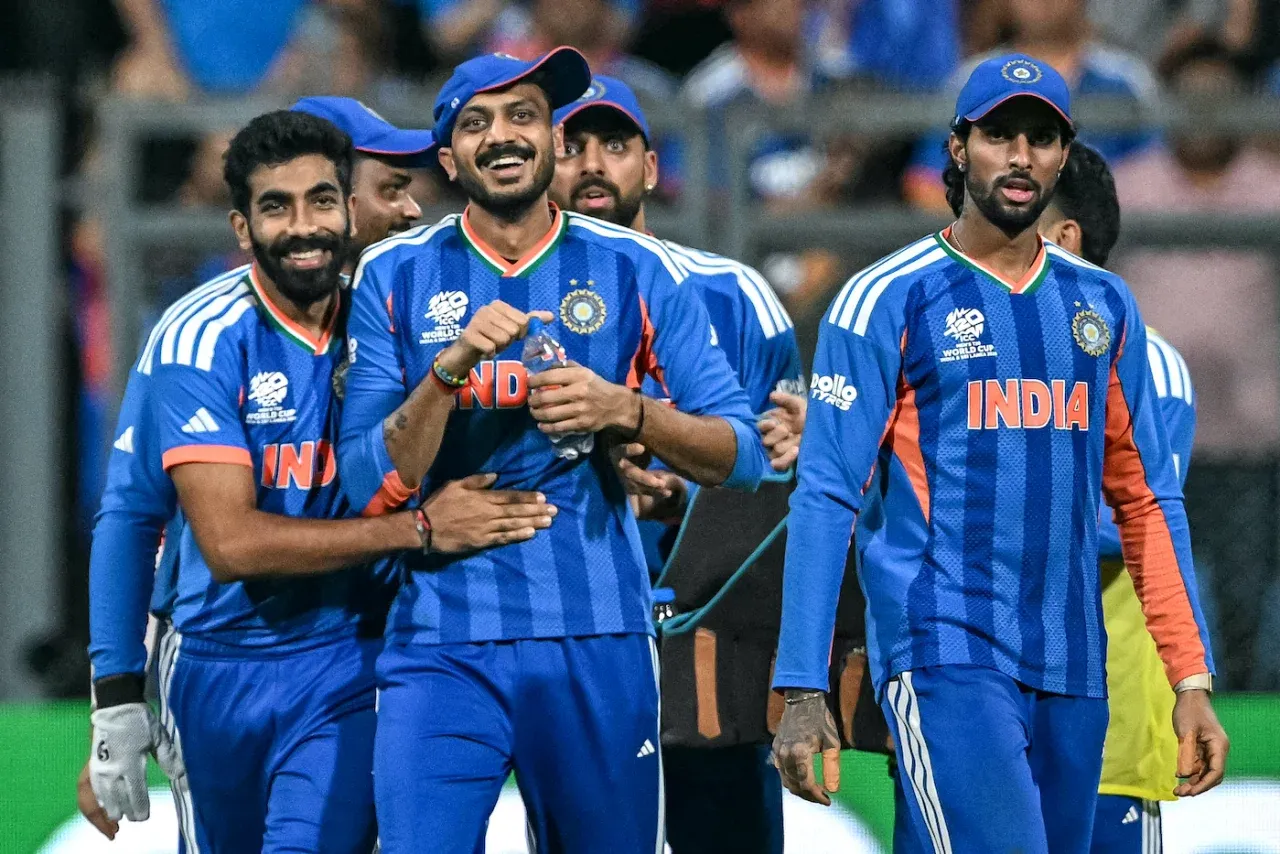
Cricket fans witnessed a historic night at the Wankhede Stadium as India managed to edge past England by 7 runs in a high-octane encounter. This victory confirms India’s place in the championship match of the ICC Men’s T20 World Cup. Despite a valiant century from England's Jacob Bethell, the Indian side maintained their composure to defend a massive total in front of a packed Mumbai crowd.
Winning the toss, England chose to bowl first, but the decision quickly backfired. Sanju Samson was the star of the show, unleashing a ferocious 89 runs from just 42 deliveries. His innings, decorated with eight boundaries and seven maximums, set the foundation for a giant total. Contributions from Ishan Kishan and Shivam Dube kept the momentum high, while Tilak Varma’s late cameo pushed India to a formidable 253/7. The English bowlers struggled to find their rhythm, with Jofra Archer conceding over 60 runs in his four-over spell.
Chasing a target of 254 was always going to be a monumental task. England’s start was shaky, losing early wickets to Jasprit Bumrah and Varun Chakravarthy. However, young Jacob Bethell turned the game into a nail-biter. He smashed a brilliant 105 off 48 balls, reaching his century at a critical juncture. His partnership with Will Jacks kept English hopes alive until the very final over.
Hardik Pandya proved to be the difference-maker in the closing stages. His ability to take crucial wickets and his involvement in the run-out of the dangerous Bethell swung the game back in India's favor. Even with a late flurry of sixes from Jofra Archer, the required rate proved too steep. India’s disciplined bowling in the final moments ensured that England finished at 246/7, sending the Indian dugout into wild celebrations.
Image Source: ESPN / ICC