
.webp)


Geopolitical instability in West Asia threatens India’s agricultural stability
Rising geopolitical tensions in West Asia have exposed a fragile link in India's agricultural backbone, specifically the heavy reliance on imported fertilizers and raw materials. According to a recent detailed analysis by CRISIL, nearly 42% of the nation’s total fertilizer imports originate from this volatile region. This dependency poses a direct threat to domestic food security and farm productivity as supply routes become increasingly uncertain.
Import Dependence Risks
India’s farming sector remains deeply vulnerable, with approximately 69% of its fertilizer value chain tied to foreign sources. Urea, the most widely used soil nutrient in states like Odisha and Punjab, is particularly at risk. Data shows that West Asia provides nearly 65% of India's urea imports and over one-third of its Diammonium Phosphate (DAP). Beyond finished products, the region is a primary supplier of Liquefied Natural Gas (LNG), which powers 80% of domestic urea manufacturing.
Impact on Rural Economy
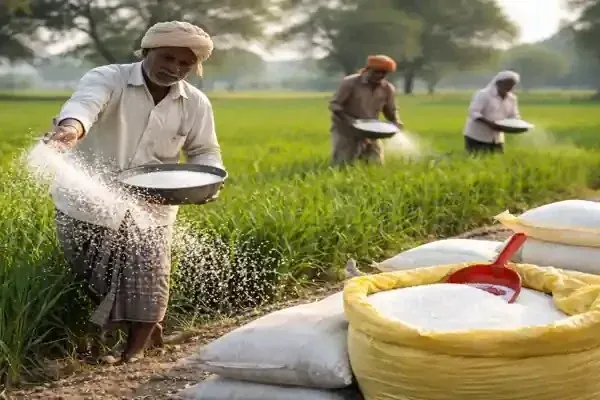
Shortages often hit small-scale farmers hardest, leading to increased input costs and lower crop yields. In Odisha, where rice cultivation is central to the local economy, any spike in nutrient prices or lack of availability can drastically reduce seasonal profits. While the central government has prioritized gas allocation to factories, the persistence of the conflict could still result in production gaps during the upcoming cropping cycles.
Path Toward Self-Reliance
Long-term stability requires a shift away from traditional import models. The government is currently exploring domestic phosphate reserves and integrating the fertilizer industry with the National Green Hydrogen Mission. By transitioning to green ammonia, India aims to decouple its food security from global energy market fluctuations. Diversifying suppliers and boosting local capacity are no longer just economic goals but essential strategies for national survival.
.webp)