

ଓଡ଼ିଆ | ENGLISH
ଓଡ଼ିଆ | ENGLISH

world-theatre-day-2024-history-significance-theme

Published By : Prashant Dash
world-theatre-day-2024-history-significance-theme

 
New Delhi, February 28: The Directorate General of Civil Aviation (DGCA) on Saturday issued an urgent safety advisory to all Indian air operators, warning of heightened risks to civil aviation in the Middle East and Persian Gulf airspace following a sharp escalation in regional tensions.


The advisory was issued today after a review of the Conflict Zone Information Bulletin (CZIB No.: 2026-03) published by the European Union Aviation Safety Agency (EASA). It cautioned that recent military strikes conducted by the United States and Israel against targets in Iran have created a high-risk operating environment for civil aircraft.


According to the DGCA, Iran has announced retaliatory measures, raising concerns over potential spill-over risks to civilian aviation. The regulator flagged several critical hazards, including possible retaliatory attacks affecting Iranian airspace and neighbouring states, the presence of advanced weaponry such as cruise missiles, ballistic missiles, all-altitude air defence systems and military air assets, as well as the risk of misidentification of civilian aircraft or operational errors during military interception procedures.


"The current situation presents the following critical hazards to civil flight operations: Retaliatory Actions: Potential attacks against U.S. and Israeli assets in the region, affecting both Iranian airspace and neighboring states; Weaponry Capabilities: The presence of all-altitude capable air-defense systems, cruise missiles, ballistic missiles, and military air assets; Operational Errors: High probability of "spill-over" risks, including misidentification of civil aircraft, miscalculation, or failure of military interception procedures," the advisory read.


The high-risk zone covers all altitudes and flight levels within multiple Flight Information Regions (FIRs), including Tehran (OIIX), Baghdad (ORBB), Tel Aviv (LLFI), Amman (OJAC), Beirut (OLBB), Kuwait (OKAC), Jeddah (OEJD), Emirates (OMAE), Bahrain (OBBB), Doha (OTDF), and Muscat (OOMM).


In line with international safety standards and the EASA bulletin, the DGCA has advised Indian operators to refrain from operating in the affected airspace at all flight levels and altitudes. Airlines have also been directed to closely monitor updated Aeronautical Information Publications (AIPs) and Notices to Airmen (NOTAMs) issued by the concerned countries and national authorities.


"In alignment with international safety standards and the EASA CZIB, all Indian operators are advised to 


1. Avoid Operations: Refrain from operating within the affected airspace listed above at all flight levels and altitudes;


2. Monitor Publications: Closely monitor all updated Aeronautical Information Publications (AIPs) and NOTAMs issued by the affected countries and national authorities," the advisory further read.


The regulator further noted that previous advisories concerning the airspace over Syria and Yemen remain in effect.


The advisory is effective immediately and will remain valid until March 2, 2026, unless reviewed or superseded.


"Operators are requested to acknowledge receipt of this communication and confirm that flight planning departments have been updated accordingly. Safety remains our highest priority," it further read.


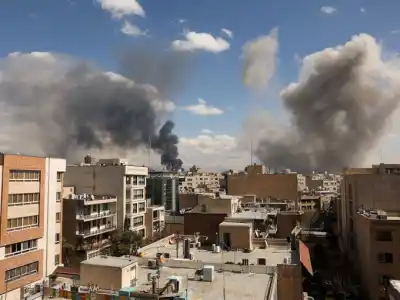
The advisory comes amid a sharp escalation in West Asia after joint military strikes involving Israel and the United States targeting Iranian sites, triggering retaliatory threats and the closure of airspace in Iran, Israel and Iraq. The developments have disrupted key international air corridors used by airlines operating between India and Gulf nations.


Airlines across the country have been forced to reroute or cancel flights, with airports setting up help desks to assist stranded passengers. Both Air India and IndiGo said they remain in close coordination with aviation authorities and are monitoring the situation round-the-clock.'


Services will resume once safe flight corridors become available, the airlines said, urging passengers to stay updated through official channels as the situation evolves. (ANI)

​​​​​​​