



Stressed youngsters utilize cigarettes as deceptive emotional survival tools
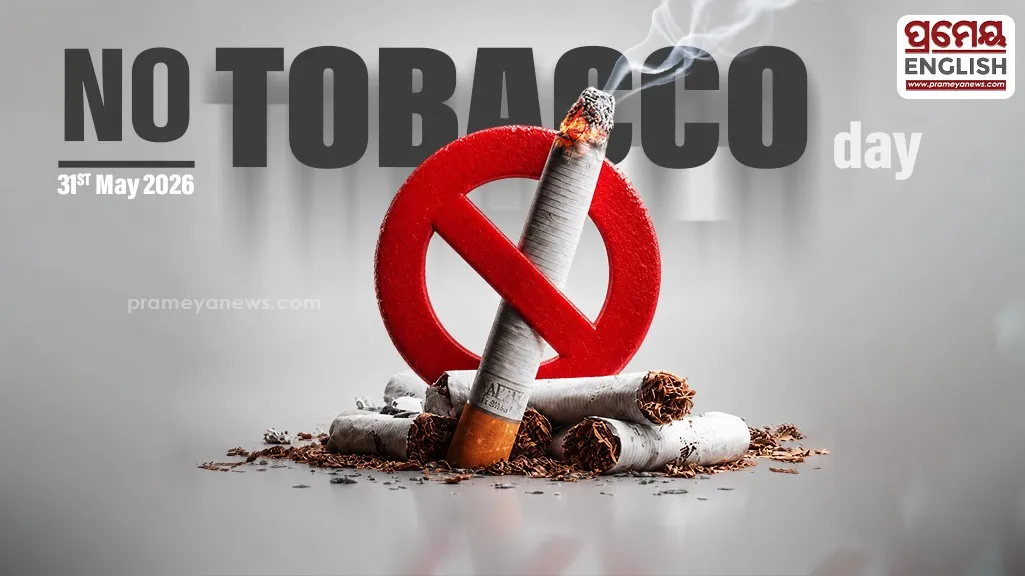
Nicotine dependence among youth stems primarily from emotional exhaustion and isolation rather than mere peer pressure or curiosity. On World No Tobacco Day 2026, medical professionals are shifting focus from traditional fear tactics to the underlying psychological struggles driving this behavior. Public health data indicates a rising trend of tobacco consumption in urban commercial hubs, including emerging corporate zones in Odisha, where workplace stress remains high.
According to clinical psychologist experts, smoking functions as a temporary escape hatch for individuals facing academic or professional uncertainty. Inhaling tobacco triggers a brief surge of dopamine, creating a misleading sense of calm and mental balance. This chemical reaction tricks the brain into associating smoking with emotional stability, establishing a dangerous cycle that deepens dependency.
Isolation plays a critical role in reinforcing these habits. Office smoking zones and college alleys frequently transform into informal social sanctuaries where anxious youths find quick acceptance. For individuals wrestling with social anxiety, the physical act of sharing a lighter or standing in a group offers a sense of belonging that they struggle to find elsewhere.
Continuous psychological pressure slowly degrades natural resilience, rendering young adults vulnerable to impulsive self-soothing behaviors. While a quick puff seems to alleviate tension, long-term dependence triggers heightened panic, severe mood fluctuations, and fractured sleep cycles. Medical experts advocate for building robust support systems and teaching healthier emotional management strategies, rather than relying solely on scary warning labels to curb usage.